


Allergy Reflected in Eyes Iridology
Understanding Allergy Reflected in Eyes Iridology
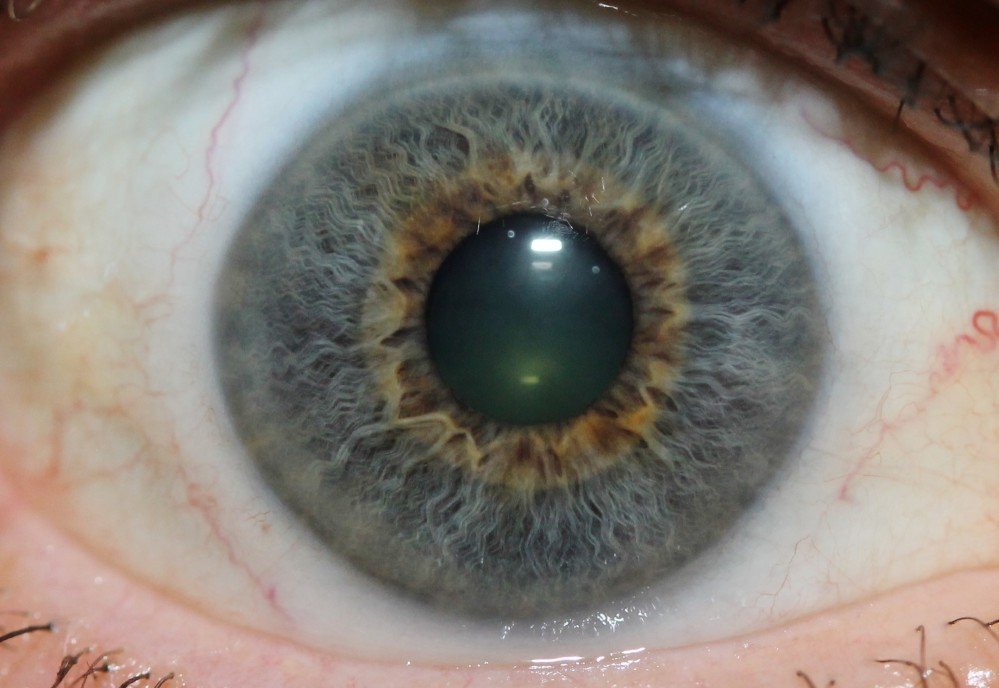
The concept of allergy reflected in eyes iridology explores how inherited iris fiber patterns and lymphatic zones may reflect constitutional sensitivity rather than an active allergic reaction. Clinical medicine evaluates allergies through immunoglobulin responses and histamine release in vascular tissue, whereas iridology studies static structural markings within the iris stroma for holistic health management. Iris patterns do not diagnose acute allergies, identify specific allergens, or replace formal medical evaluations.
Differentiating acute conjunctival inflammation from hereditary iris features determines whether immediate medical assessment or general wellness observation is appropriate. Individuals experiencing sudden ocular redness, pain, or discharge require direct examination by an optometrist or medical doctor.
Scope and Concept of Allergy Reflected in Eyes Iridology
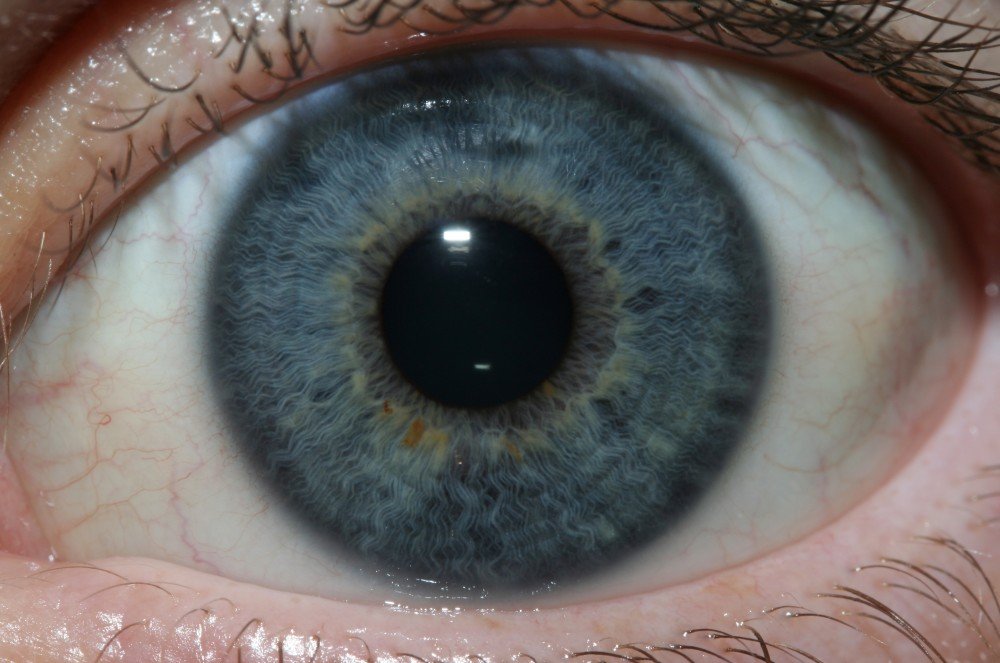
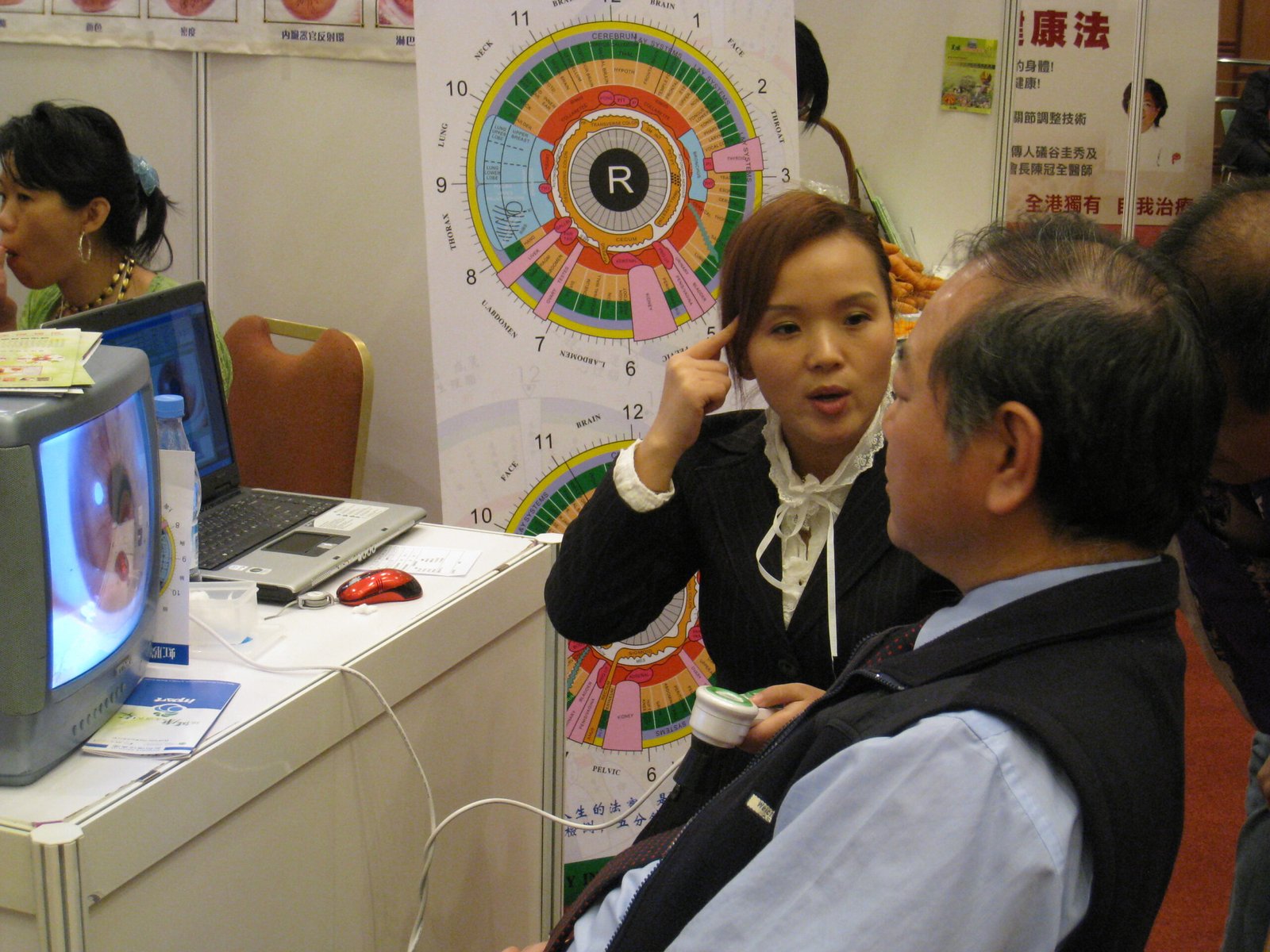
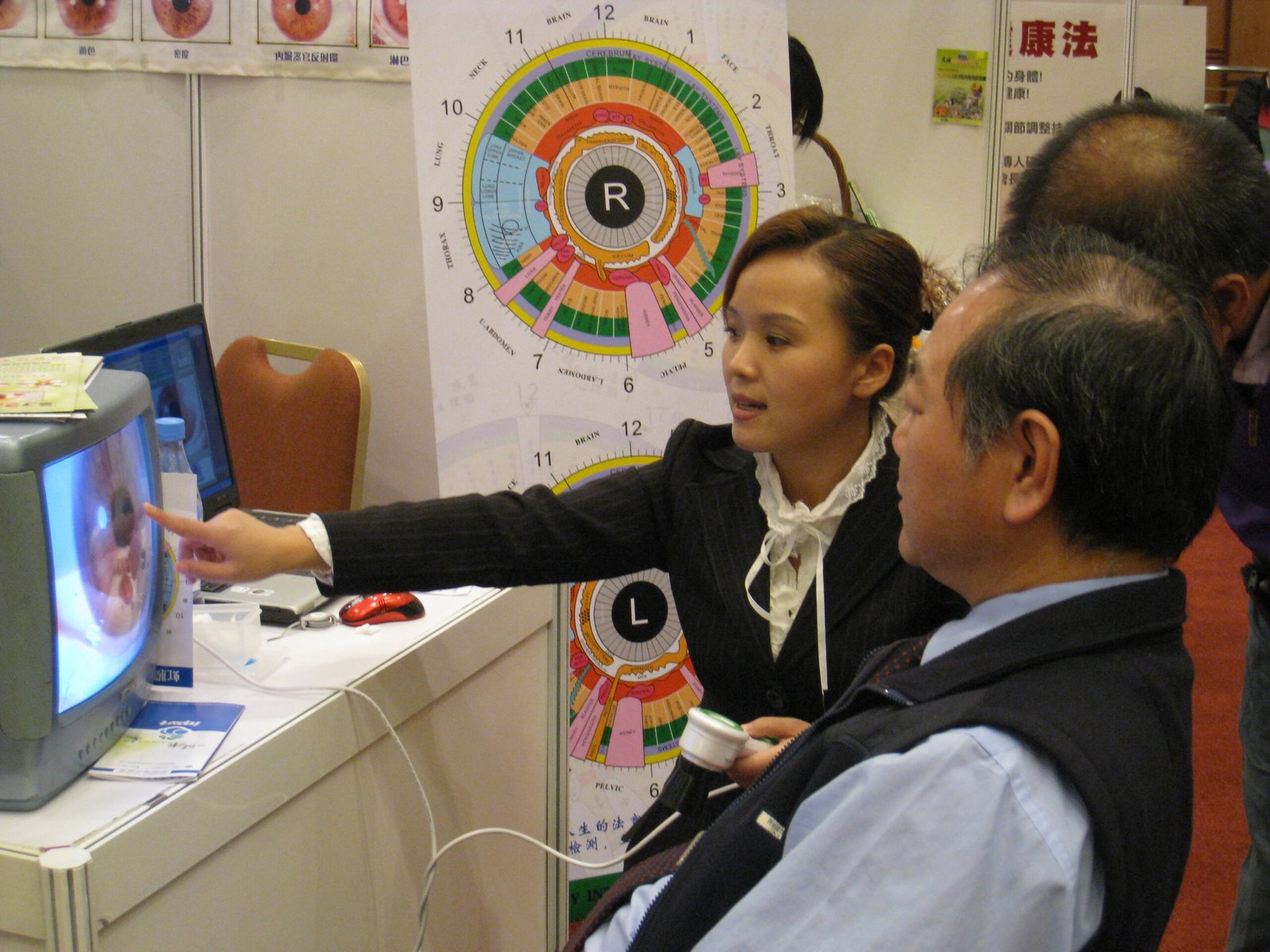
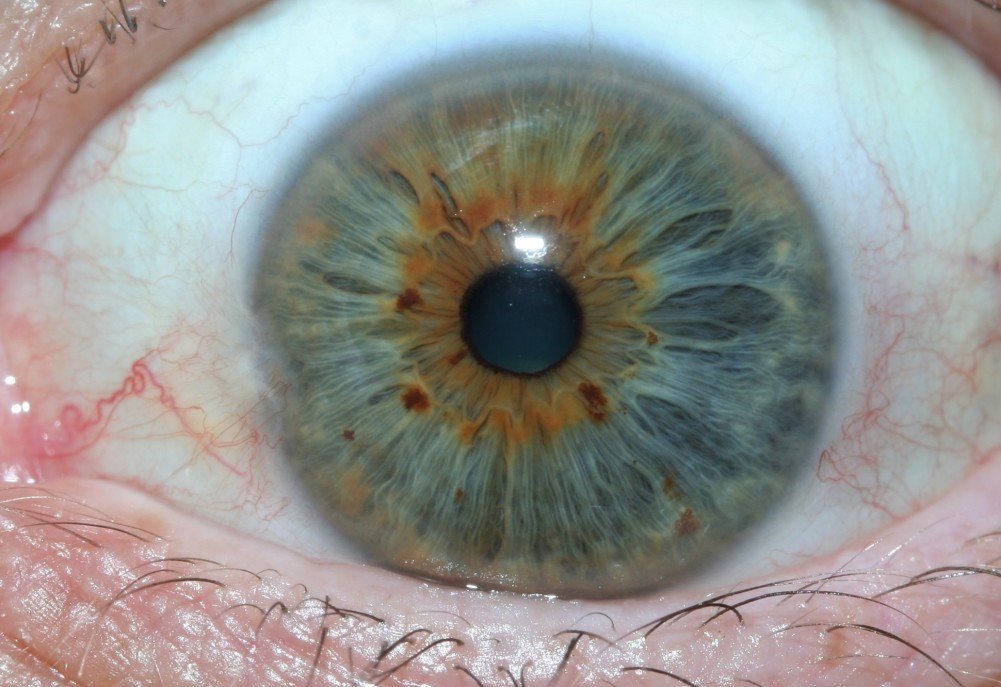
In holistic wellness assessment, allergy reflected in eyes iridology refers to the study of the outer zones of the iris, frequently termed the lymphatic or ciliary zones on an Chart. Practitioners examine these areas for loose fiber trabeculae, shading, or topostabile markings that traditionally signify a reactive or lymphatic constitution prone to mucus accumulation. These structural features represent long-term genetic makeup rather than transient reactions to pollen, dust mites, animal dander, or food items.
Historical models founded by nineteenth-century figures such as Philippus Meyen and Ignaz von Peczely proposed that internal organ stress manifests in specific iris sectors. Modern alternative practitioners view these patterns as functional tendencies, categorising clients into constitutional types such as the neurogenic, mesenchymal, or lymphatic diathesis. Such observations do not confirm an active immune reaction, nor do they isolate specific environmental allergens.
Constitutional markers in the iris indicate general physical tendencies and do not provide clinical identification of immediate allergens, chemical sensitivities, or active histamine release.
Eye Allergy Symptoms Versus Iris Markings
Clinical eye allergies manifest primarily on the conjunctiva, eyelids, and cornea, which are external, vascularised tissues distinct from the pigmented iris stroma. When airborne allergens contact the eye, mast cells degranulate, releasing histamine that dilates scleral capillaries and triggers immediate swelling. In contrast, the iris stroma consists of pigmented fibrovascular tissue whose basic architecture remains stable throughout adult life.
Conflating surface inflammation with deep iris characteristics leads to profound misunderstanding during health assessments. While an allergic response produces palpable, shifting symptoms across hours or days, iris characteristics represent fixed genetic topography visible through a specialised Iriscope Camera.
| Feature | Allergic Conjunctivitis | Iris Markings | Primary Observation |
| Tissue Type | Conjunctiva | Iris Stroma | Surface mucous membrane versus deep interior eye structure |
| Vascular State | Dilated Vessels | Fixed Capillaries | Noticeable redness on sclera versus stable stromal pigment |
| Time Course | Acute Fluctuating | Stable Pattern | Changes rapidly with exposure versus enduring structural markers |
| Sensation | Itching Burning | Asymptomatic | Physical irritation present versus silent anatomical patterns |
Scientific Boundaries and Clinical Assessment
Rigorous controlled evaluations indicate that iris patterns do not correlate with validated medical diagnoses of systemic or local allergic disorders. Conventional allergy detection relies on standard clinical techniques, including serum specific Immunoglobulin E (IgE) tests, skin-prick testing, and thorough clinical history evaluations by registered allergists. Blinded clinical trials have repeatedly demonstrated that practitioners reading iris photographs cannot reliably distinguish allergic individuals from healthy controls.
The iris does not develop new crypts, lacunae, or pigment spots in response to an acute immune reaction or seasonal hay fever flare. Digital image capture using an digital iriscope serves strictly for non-diagnostic educational documentation, constitutional wellness charting, and lifestyle counselling. Presenting iris interpretations as diagnostic proof of an allergy misleads clients and risks delaying necessary clinical care.
Iris analysis cannot establish medical diagnoses, measure immune globulin levels, or confirm systemic disease. Individuals requiring allergy confirmation must consult qualified medical specialists.
Practical Checklist for Eye Irritation
Individuals experiencing ocular discomfort can systematically record observations to assist their primary healthcare practitioner during consultation. Differentiating environmental contact reactions from chronic physical irritants helps clinicians select appropriate therapeutic pathways.
- Identify the onset and timing of symptoms, noting whether irritation spikes during high pollen counts, domestic cleaning, or exposure to pets.
- Assess specific physical sensations, paying close attention to intense itching, burning, gritty dryness, or excessive reflex tearing.
- Examine cosmetic products, facial washes, contact lenses, or contact lens cleaning solutions introduced immediately prior to the flare.
- Check for bilateral symmetry, determining whether both eyes react simultaneously or if discomfort remains isolated to a single eye.
- Monitor red-flag warning signs such as severe pain, sensitivity to light, cloudy cornea, or reduced visual clarity requiring urgent medical care.

Safe Steps for Persistent Discomfort
Addressing ocular symptoms responsibly involves immediate self-care practices paired with timely professional guidance from registered medical doctors or optometrists. Attempting to deduce the chemical source of an acute allergy from an iris chart delays effective relief and may worsen inflammatory surface irritation.
Non-medical iris documentation can remain part of a personal lifestyle record when clients seek holistic lifestyle balance, nutritional support, or stress management through integrative health coaches. Maintaining clear boundaries between supportive wellness charting and clinical therapy protects the individual from unverified treatments.
Recommended Actions
- Consult an optometrist or general practitioner for accurate medical diagnosis and prescription drops.
- Apply cold compresses and preservative-free artificial tears to soothe irritated ocular tissues.
- Maintain an exposure diary tracking daily pollen counts, dust levels, and dietary changes.
Actions to Avoid
- Never rub inflamed eyes, which can damage delicate corneal tissue and release additional histamine.
- Do not rely on iris markings or wellness software to determine medication needs or identify allergens.
- Never discontinue prescribed medical allergy treatments without consulting a licensed physician.
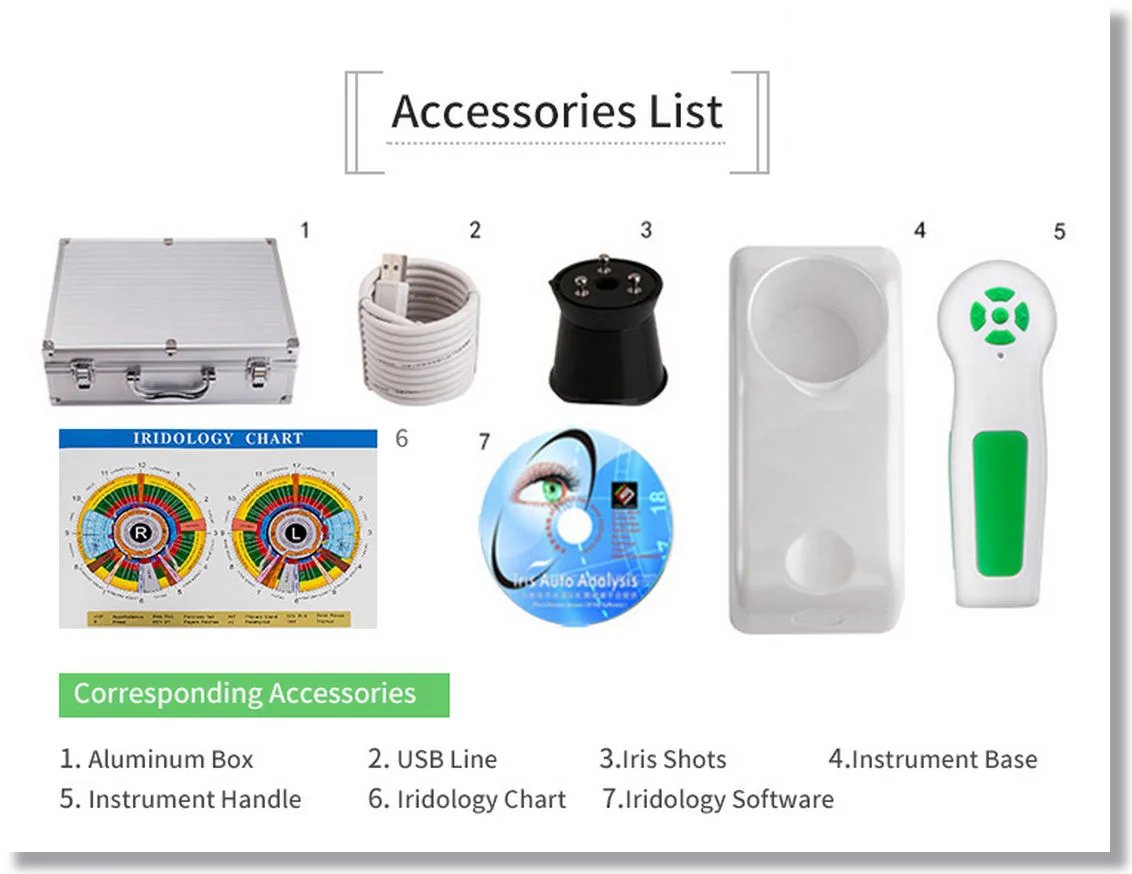
Optical Documentation with MAIKONG Systems
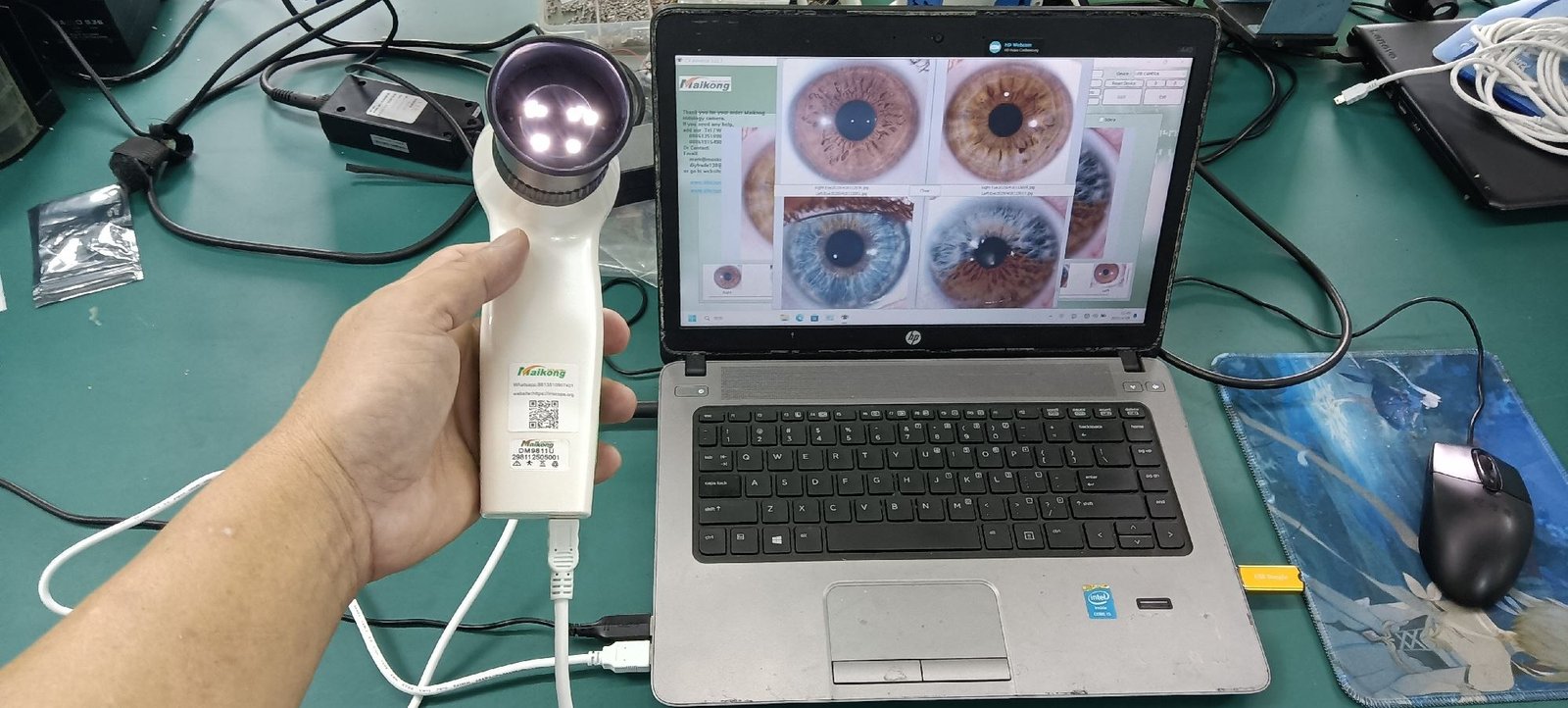
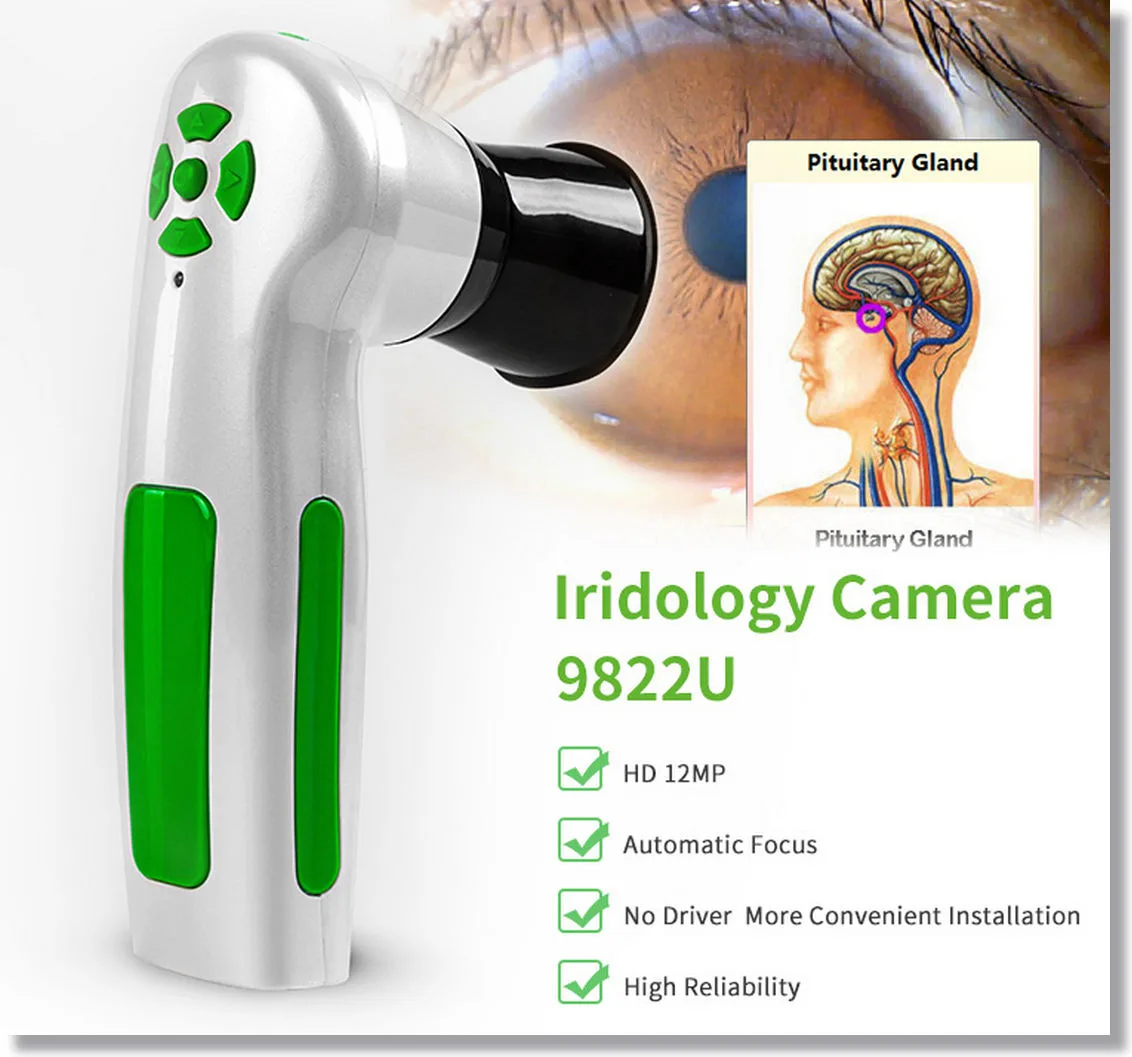
For health educators, wellness practitioners, and iridology training schools requiring visual documentation tools, MAIKONG manufactures professional non-medical imaging equipment. The MAIKONG MK-9822U Iridology camera incorporates a 12.0-megapixel sensor designed specifically for close-range iris photography and client record archiving. This device connects directly to desktop computers via USB, eliminating the need for external power supplies while enabling clear macro image storage.
MAIKONG operates as an original equipment manufacturer, providing hardware customisation options such as custom mould shapes, housing colours, and branding for corporate distributors. Every device complies with Class I equipment classification standards and holds CE certification, serving strictly as an optical observation aid without diagnostic or therapeutic claims.
Optical Specifications
The MK-9822U integrates a 30X iris lens, circular LED illumination, and an optical image stabiliser for focused macro photography.
Hardware Flexibility
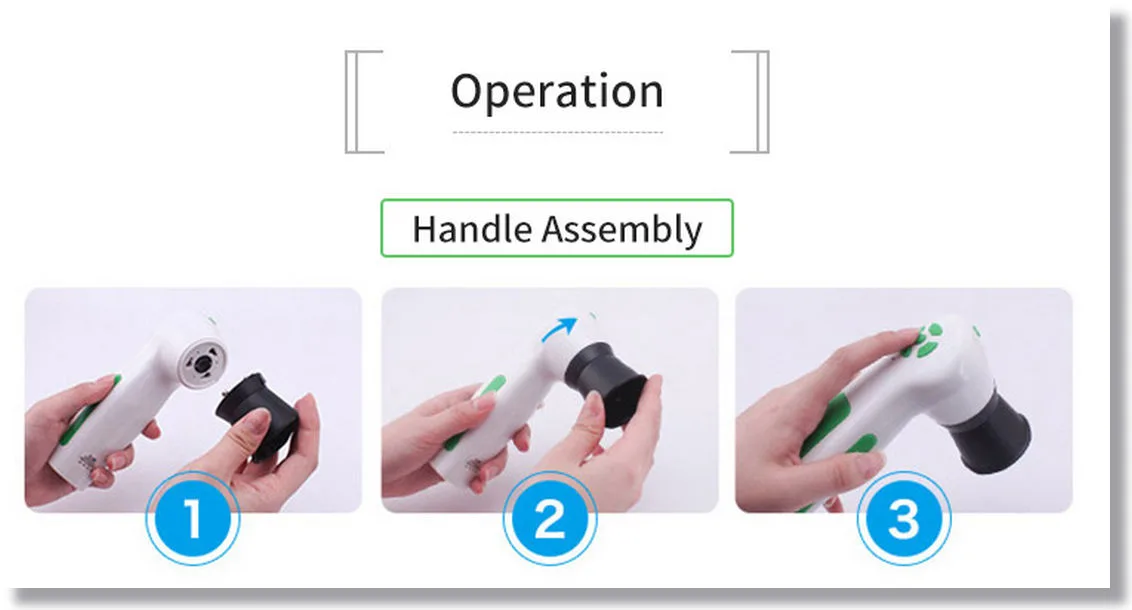
Featuring a single-button digital pause capture and manual focal adjustments, the handset allows steady positioning during observation sessions.

Digital Iris Analysis Software Specifications
Digital iris documentation relies on capable software to store client profiles, archive high-resolution photographs, and display educational sector overlays. The proprietary Iridology Software developed by MAIKONG offers multilingual support across seventeen languages, including English, Spanish, French, German, and Chinese. The software provides comparative assessment screens, enabling practitioners to evaluate historical iris photographs over extended wellness consultation periods.
The software suite is compatible with standard operating systems, providing broad accessibility for clinics, nutritional consultants, and wellness training centres. Operating systems supported by the MAIKONG software platform include:
| Platform | Supported Editions | Architecture | Operational Scope |
| Windows OS | 2000, XP, Vista | 32-Bit 64-Bit | Full capture interface with local database storage |
| Windows OS | 7, 8, 10, 11 | 32-Bit 64-Bit | High-resolution live preview and client archiving |
| Apple macOS | 10.14 to 15 | Intel and M-Series | Native application interface for macOS workstations |
| Linux Android | Unsupported | Not Applicable | Operating systems currently not supported by software |

Distribution Partnerships Across South Africa
MAIKONG supplies professional wellness equipment across South Africa, supporting holistic health practitioners, naturopathic clinics, training colleges, and wellness equipment distributors. With extensive research and manufacturing facilities operating under ISO9000 quality management standards, MAIKONG delivers tailored OEM and ODM solutions to international partners. Inventory hubs in China and regional support networks assist local businesses seeking stable supply chains for digital iriscopes, iris cameras, and analytical software.
Commercial clients, private-label brands, and natural health suppliers can access wholesale pricing, hardware branding, software translation adjustments, and technical after-sales support. Equipment packages include a one-year factory warranty for non-human damage, supported by factory repair protocols and responsive customer service.
Interested distributors, equipment wholesalers, and natural health practitioners in South Africa may initiate wholesale enquiries, technical requests, or distribution applications directly through MAIKONG official channels.
Direct communication for equipment specifications, OEM branding configurations, and regional distribution agreements is available via telephone, WhatsApp, or electronic mail:
Partners may also connect via WhatsApp messaging at WhatsApp Support, reach the commercial sales desk at Lucy@iriscopes.org, or visit the official website at MAIKONG Online to submit formal procurement queries.

Frequently Asked Questions
Can an iris photograph confirm an allergy?
No, an iris photograph cannot confirm or detect an allergy. Allergic conditions involve immune reactions and histamine pathways that do not create or alter structural iris markings. Medical allergy confirmation requires validated clinical techniques such as skin-prick testing or specific blood antibody assays performed by licensed medical specialists.
What is the difference between an eye symptom and an iris pattern?
An eye symptom is a physiological complaint, such as conjunctival redness, burning, itching, or swelling of the surface ocular tissues caused by inflammation or environmental allergens. An iris pattern is a relatively stable structural arrangement of fibres, crypts, and pigments located within the internal iris stroma that reflects hereditary characteristics rather than active irritation.
What should I do if symptoms are painful, severe, sudden, or affect vision?
Seek immediate emergency medical care from an ophthalmologist, hospital emergency room, or optometrist if eye symptoms involve acute pain, reduced vision, severe sensitivity to light, or cloudy discharge. These warning signs often indicate serious ocular conditions, including corneal ulcers, acute glaucoma, or severe infections that require urgent medical intervention.
Can iridology software diagnose an allergy?
No, iridology software cannot diagnose an allergy or any other medical condition. Software tools provide non-medical image archiving, constitutional mapping overlays, and educational charting functions for holistic lifestyle consultations. Software algorithms do not measure immune responses, clinical biomarkers, or biochemical allergen sensitivities.
What information should I ask a practitioner or equipment supplier before relying on a report?
Ask whether the assessment is intended strictly for non-medical wellness education, and confirm that the practitioner holds recognized training in complementary health modalities. Enquire about the scope of the optical equipment, ensuring the provider clearly identifies the documentation as non-diagnostic and encourages medical evaluation for any persistent physical symptoms.
Responsible Wellness and Ocular Care
Investigating allergy reflected in eyes iridology reveals valuable distinctions between historical constitutional assessment and modern clinical allergy diagnostics. While high-resolution iris photography serves as an engaging visual educational aid within complementary health practices, active ocular irritation warrants prompt examination by an optometrist or medical doctor. Collaborative healthcare models prioritise validated diagnostic methods while respecting the educational value of lifestyle and wellness records.