Iridology 3rd eye
iridology 3rd eye: What the Term Means and How to Evaluate It Responsibly


Defining iridology 3rd eye in Holistic and Traditional Frameworks
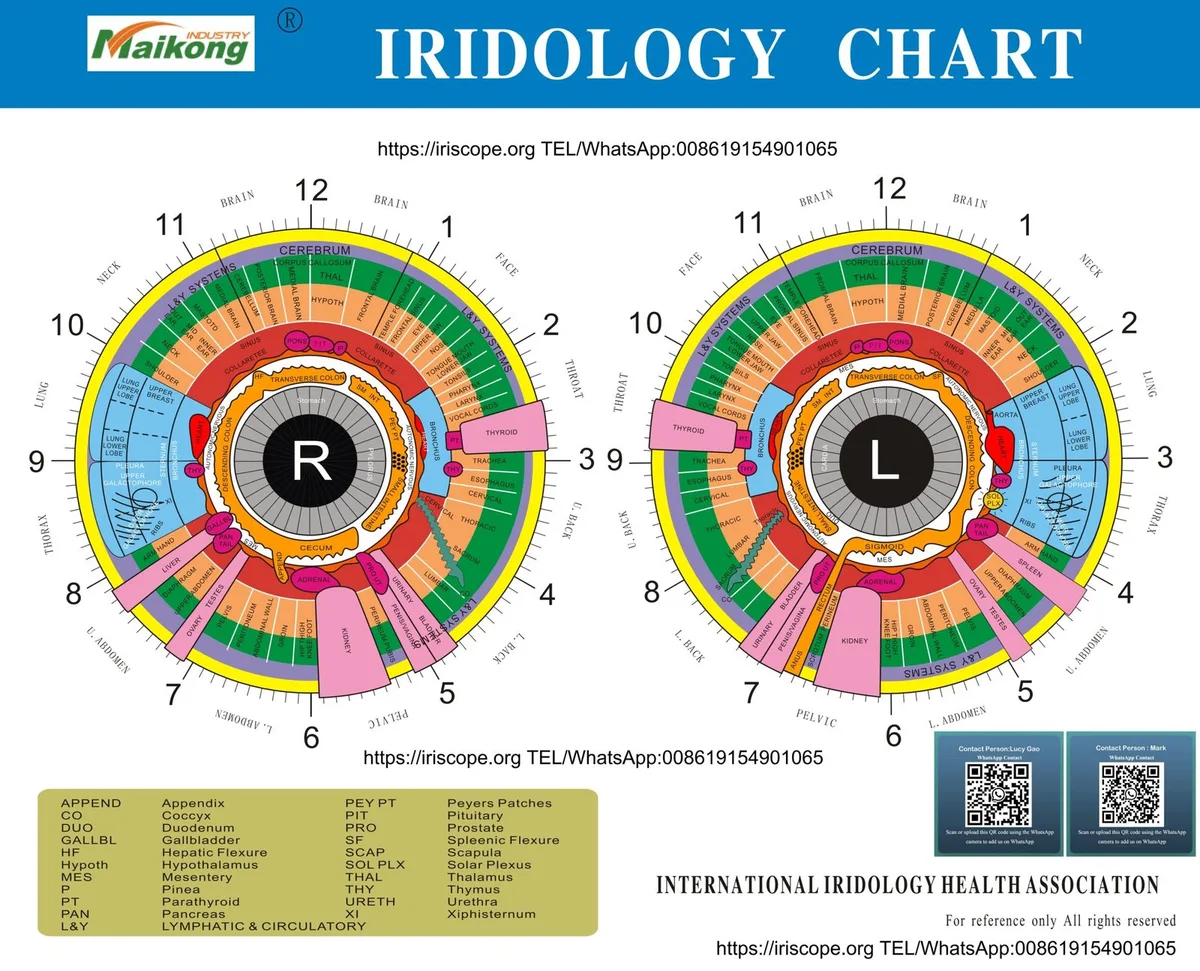
Traditional iridology maps developed in Europe and the Americas assign specific concentric rings and clock sectors to corresponding anatomical regions of the human body. When wellness practitioners discuss the iridology 3rd eye, they generally focus on the twelve o’clock sector of the iris, which conventional charts designate as the cerebrum, pineal, and pituitary areas. In complementary traditions, this sector aligns conceptually with the ajna or third eye chakra, believed by esoteric practitioners to govern intuition, sleep patterns, and mental equilibrium.
It is vital to distinguish between these traditional energetic metaphors and physical biological science. While ancient Eastern philosophies link the third eye to subtle energetic flow, clinical anatomy defines the pineal gland as an endocrine structure regulating melatonin production and circadian biology. In an educational wellness context, assessing this reflex zone involves examining structural density and pigment variations without presuming that an iris mark denotes physical pathology or esoteric awakening.
Educational iris mapping treats the upper iris sector as a historical reflex zone rather than an empirical medical imaging tool. Physical health assessments require accredited clinical diagnostic methods.
Modern wellness consultations often explore how stress, sleep hygiene, and screen fatigue correlate with an individual’s subjective well-being. Looking at the iridology 3rd eye zone can provide a neutral visual reference for discussions surrounding rest, relaxation techniques, and lifestyle balance. Keeping this dialogue firmly rooted in education prevents misunderstandings regarding what the eye stroma can legitimately reveal.
What Iris Photography Displays and What It Cannot Prove
High-resolution iris photography captures intricate details of the anterior layer of the iris, including crypts, radial furrows, contraction furrows, and localized pigment spots known as nevi. In the context of iridology 3rd eye interpretations, holistic observers look for lacunae or shading variations in the superior cerebral zones, often interpreting them as indicators of systemic tension or fatigue. These visible features represent genetic variations in stromal fibre density and melanin distribution rather than active biochemical signals from the brain.
Controlled scientific evaluations demonstrate that iris trabeculae remain remarkably stable throughout adult life, which is why ophthalmologists and security systems rely on the iris for biometric identification. Changes in perceived colour or fibre configuration usually stem from variations in lighting angles, camera sensor processing, pupil dilation, or corneal reflections rather than physiological shifts in distant organs. Acknowledging these optical realities prevents observers from making unverified assumptions about personal vitality or illness.
Observable Optical Features
- Stromal fibre arrangement and connective tissue density
- Natural melanin deposits, freckles, and pupillary collarette contour
- Pupil dynamics under varying lighting conditions
Non-Verifiable Assumptions
- Direct detection of acute internal disease or infection
- Measurement of metaphysical energy or third eye opening
- Replacement of professional pathological or imaging tests

When wellness centres incorporate adjacent concepts such as ozone sessions, detox programmes, anti-aging therapies, or longevity protocols, iris imaging is best positioned as a conversational tool. Educated practitioners avoid presenting stromal patterns as diagnostic proof, focusing instead on broader lifestyle markers, diet, hydration, and physical activity.
A Practical Checklist for Evaluating iridology 3rd eye Claims
Encountering discussions about the iridology 3rd eye requires a grounded framework to distinguish verifiable observation from unsubstantiated claims. Applying standard critical criteria allows clients and students to evaluate statements made by practitioners, authors, and equipment vendors.
- Clarify Terminology: Determine whether the speaker is referencing classical endocrine anatomy or philosophical, chakra-based energetic traditions.
- Examine Scientific Scope: Confirm that the evaluation is presented strictly for educational, self-reflection, or historical interest rather than clinical diagnosis.
- Assess Optical Consistency: Check that photographic comparisons use uniform focal distance, identical white balance, and consistent LED illumination levels.
- Separate Description from Prognosis: Differentiate between visible stromal architecture and speculative claims regarding future organ weaknesses.
- Verify Source Authenticity: Request access to verifiable documentation, peer-reviewed ophthalmic literature, or stated manufacturer specifications.
- Maintain Medical Precedence: Direct any persistent headaches, sleep disruptions, visual anomalies, or neurological concerns to a registered medical professional.
Using this checklist helps prevent unnecessary health anxiety while fostering an appreciation for traditional wellness history. Responsible holistic practitioners welcome critical questions and clearly state the non-medical parameters of their educational visual tools.
Educational Documentation Tools: Iriscope Hardware and Optical Standards
Documenting the superior iris zone associated with the iridology 3rd eye requires optical stability, balanced colour representation, and precise magnification. Specialised devices such as a dedicated digital iriscope or an Iridology camera enable wellness educators to capture clean still images without subjecting the eye to harsh, direct glare. Consistent optical quality allows observers to track structural features across repeated sessions without photographic distortion.
Hardware engineered for iris documentation typically incorporates macro lenses with coated optical elements, circular LED illumination, and integrated focus mechanisms. These features help record fine crypt details across the ciliary zone while minimising external room reflections that could be mistaken for stromal abnormalities.
Optical Hardware Build
Modern devices feature coated macro lenses, integrated LED rings, and high-resolution sensors to capture authentic stromal detail without uneven shadowing.
Educational Documentation
A calibrated Iriscope assists wellness consultants in maintaining systematic photographic records for client wellness education over extended periods.
When selecting capture equipment, practitioners should evaluate the physical stability of the sensor, driver compatibility across operating systems, and the quality of the optical glass. Dedicated optical tools provide reproducible baseline records, making discussions around constitutional tendencies and reflex zones clear and transparent.
Software Functions and Analytical Boundaries in Iris Observation
Specialised Iridology Software applications frequently accompany digital imaging hardware, offering chart overlays that divide the iris image into distinct anatomical sectors. When studying the iridology 3rd eye region, software tools overlay a digital Iridology chart directly onto the captured photograph, aligning the pupil margin and outer limbus with mathematical precision. These digital overlays make it easier to pinpoint the exact radial degrees associated with the upper brain and pineal zones.
Analytical software may provide automated zone mapping, 3D texture rendering, and comparative report generation across consecutive client visits. It remains essential, however, to understand that automated boundary detection algorithms reflect mathematical pixel processing rather than medical intelligence. Digital indicators generated by software should be viewed as educational prompts for lifestyle inquiry, not as definitive health verdicts.
| System Platform | Architecture | Analytical Function | Educational Utility |
| Windows OS | 32/64-bit | Chart Overlay | Aligns sectoral zones to pupil margins accurately. |
| Apple macOS | Native/Silicon | Comparative View | Enables side-by-side assessment of historical records. |
| Linux/Android | Unsupported | Not Applicable | Requires verified desktop environments for client records. |
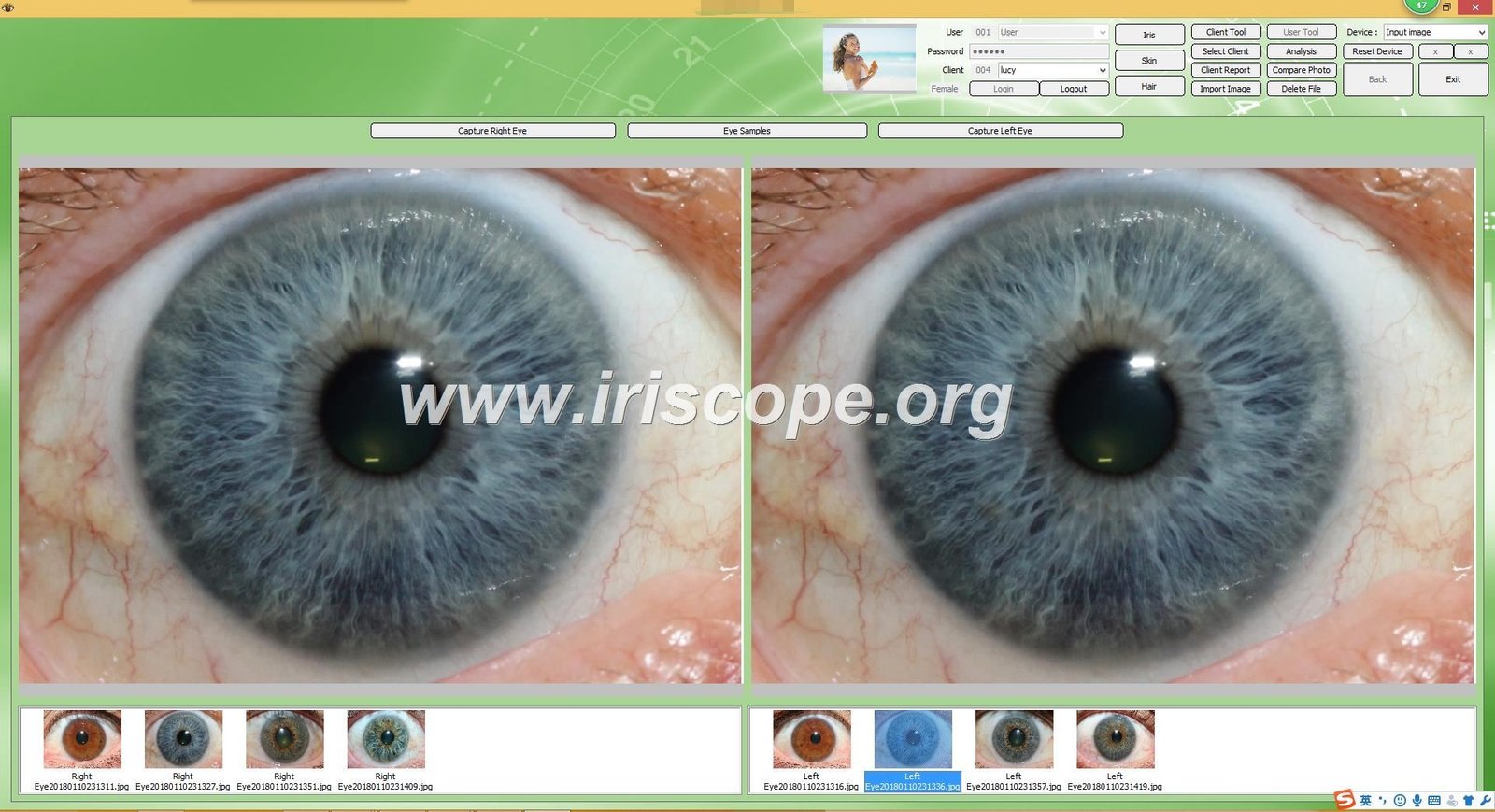
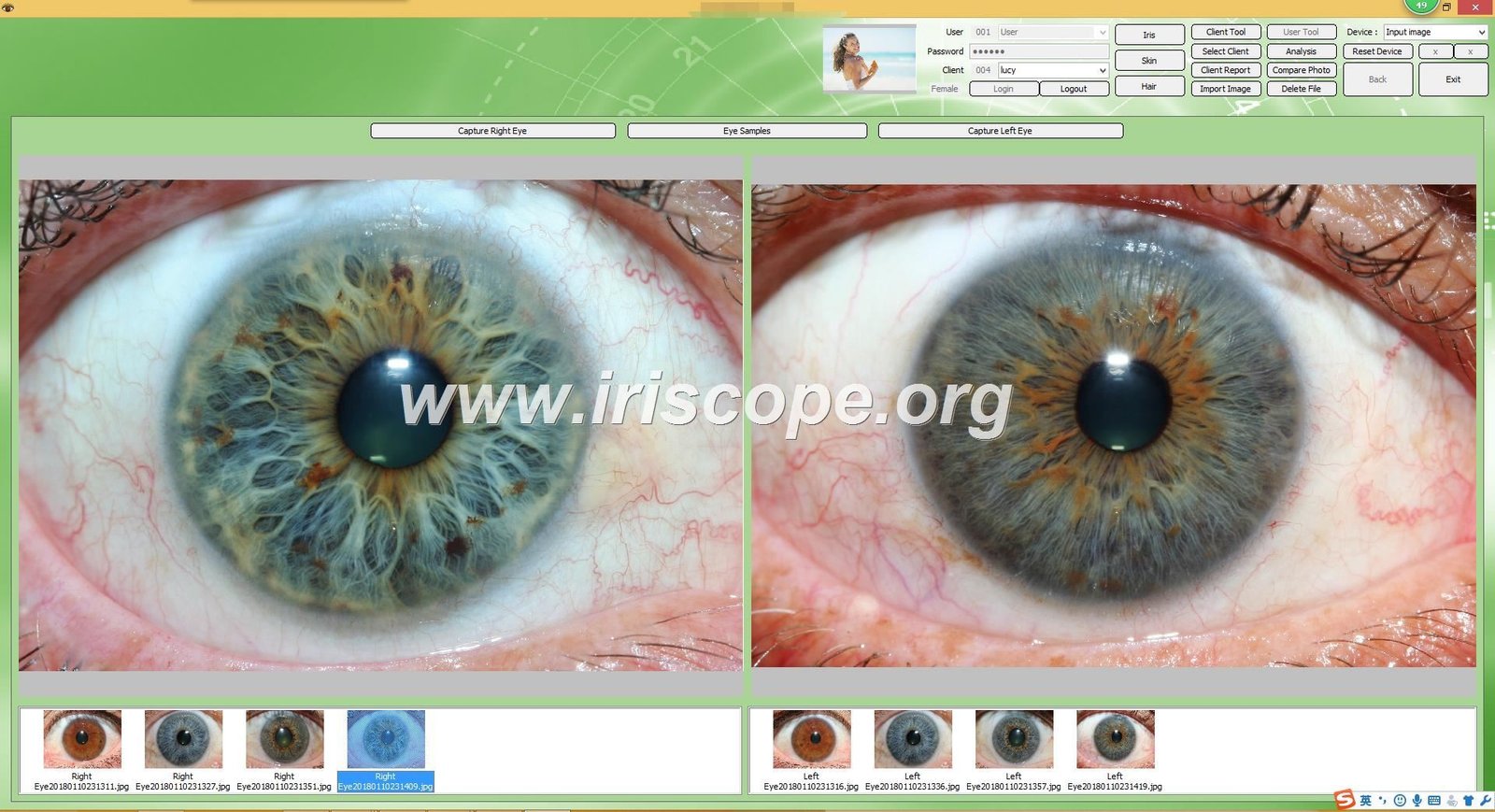
Practitioners managing client databases should handle personal visual files with proper data privacy protocols. Transparent software utilisation reinforces professional integrity, helping observers understand the technical basis of chart alignment without conflating digital graphics with clinical diagnostic imaging.
Questions to Ask Before Accepting iridology 3rd eye Interpretations
Before relying on an assessment of the iridology 3rd eye zone, observers should pose specific questions to clarify the purpose and boundaries of the session. Inquiring into the practitioner’s training and the underlying philosophy of the chart prevents ungrounded medical assumptions.
Understanding whether an interpretation draws on German constitutional iridology, Bernard Jensen reflexology models, or esoteric energetic philosophies clarifies the context of the consultation. Each historical school interprets sector markings through a slightly different lens, ranging from hereditary constitutional stamina to symbolic emotional processing.
Responsible practitioners transparently clarify whether their observations represent constitutional tissue patterns, lifestyle discussion points, or traditional metaphysical models.
Observers should also verify whether lighting variations or pupil size differences were accounted for during photographic capture. Asking how technical variables affect the visible image prevents minor photographic artefacts from being misconstrued as bodily indicators.
Practical Next Steps for Wellness Observers in South Africa
Natural health practitioners, reflexologists, and wellness consultants across South Africa encounter growing public curiosity regarding holistic iris observation. In centres situated throughout Johannesburg, Cape Town, and Durban, integrating traditional concepts like the iridology 3rd eye into general lifestyle consultations requires balanced professional communication. Clients seeking advice at a holistic wellness clinic often appreciate learning about circadian balance and stress management within an educational context.
Developing a responsible practice involves selecting dependable optical tools, learning systematic charting methods, and establishing clear operational boundaries. Those studying iris assessment should prioritise thorough study through recognised educational materials before offering educational consultations to the public.
Optical Standards
Select reliable imaging hardware with consistent LED illumination and clear macro lenses to produce reproducible photographic documentation.
Educational Boundaries
Maintain written client disclosures confirming that iris photography serves personal wellness management and educational review rather than clinical evaluation.
Medical Referral
Establish collaborative referral networks with licensed general practitioners to address clinical complaints, endocrine symptoms, or persistent visual concerns.
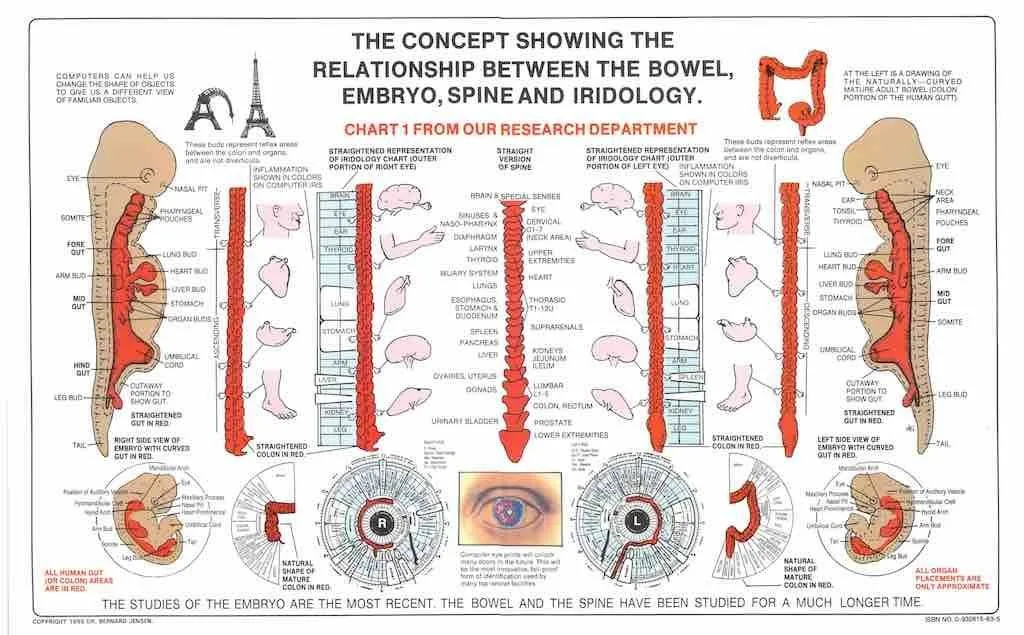

By establishing clear ethical guidelines, wellness professionals support client autonomy and encourage proactive lifestyle habits without overstepping scientific boundaries.
MAIKONG Equipment Standards and Partner Opportunities in South Africa
As an international manufacturer with two decades of production and engineering experience, MAIKONG develops high-resolution optical observation tools for educators, holistic practitioners, and training academies worldwide. Facilities operating in South Africa can source specialised iris imaging equipment directly, supported by regional logistics and customer service. MAIKONG hardware, including the MK-9822U 12-megapixel USB optical system, is designed for stable macro performance, featuring adjustable LED brightness, an optical image stabiliser, and durable construction.
MAIKONG provides flexible original equipment manufacturer (OEM) and original design manufacturer (ODM) solutions for institutions seeking customised hardware branding, bespoke packaging, or tailored software interfaces. The proprietary software suite offers multilingual operation across seventeen languages, multi-user management, and compatibility with current Windows and macOS environments. Hardware maintenance is backed by a one-year factory warranty covering material and manufacturing malfunctions under standard operational terms.
All MAIKONG optical systems and chart overlays are supplied exclusively for non-invasive educational observation and wellness documentation. They do not constitute diagnostic medical devices.
Entrepreneurs, health equipment distributors, and training schools across South Africa interested in commercial distribution or wholesale equipment partnerships are invited to establish direct communication with the factory support team through official channels.
Frequently Asked Questions About iridology 3rd eye
What does the iridology 3rd eye represent on a standard chart?
On traditional charts, the third eye zone aligns with the upper superior sector of the iris, typically positioned around the twelve o’clock area. Holistic models associate this region with the brain, pituitary gland, and pineal reflex, representing mental clarity, rest cycles, and cognitive vitality. These associations reflect traditional reflexology concepts rather than medically validated diagnostic links.
Can an examination of the iris diagnose physical pineal or brain disorders?
No, iris examination cannot diagnose physical pineal disorders, brain pathologies, or endocrine diseases. The markings observed in the stroma represent structural connective tissue patterns and melanin variations. Any physical neurological or endocrine concerns must be evaluated by a qualified medical practitioner using formal clinical diagnostic tools.
Why do some practitioners connect the upper iris with spiritual awakening?
Some practitioners link the upper iris with spiritual concepts because historical iridology literature absorbed elements of traditional Eastern chakra systems. In these energetic frameworks, the ajna chakra governs intuition and subtle mental awareness, leading holistic authors to view superior iris markings through a symbolic lens. Contemporary educational iridology separates these metaphysical philosophies from biological tissue observation.
How does digital photography assist in observing the third eye sector?
Digital photography provides uniform lighting, precise magnification, and repeatable image alignment to document fine stromal details accurately. Utilising specialised software allows practitioners to place transparent chart grids over the photograph, identifying sector coordinates without applying direct pressure to the eye. This documentation assists in educational tracking over time without producing medical conclusions.
Do iris markings in the third eye zone change as a person’s lifestyle improves?
Ophthalmic science indicates that individual iris fibre architecture and crypt configurations remain largely stable throughout adult life. Perceived changes in photographic records often result from subtle differences in exposure, camera angle, pupil diameter, or digital processing. While lifestyle enhancements support general well-being, they do not physically alter underlying stromal patterns.
Conclusion: Balanced Exploration of iridology 3rd eye Concepts
Exploring the iridology 3rd eye offers a fascinating perspective on how historical holistic philosophies connect ocular reflex zones with cognitive and circadian well-being. Keeping educational observation distinct from formal medical diagnosis allows practitioners and observers to appreciate traditional models responsibly while prioritising clinical healthcare for genuine physiological needs.
Establish a South African Equipment Partnership
Prospective distributors, clinic operators, and educational academies in South Africa seeking professional optical hardware, OEM customisation, and dedicated technical support can contact MAIKONG directly.
Contact US Online WHATSAPP: