


câmera de íris : A pragmatic guide for the Professional Iridologist in South Africa
Quick answer
Yes — a dedicated **câmera de íris** can be a useful tool in a South African comparable provider practice, provided you match the device to your clinical workflow, imaging and software needs. The real decision points are optical consistency, image quality under clinic lighting, file and operating‑system compatibility with your analysis software, ergonomic fit for repeated patient captures, and clear warranty/support terms for imports. Below we explain the essentials you must confirm before buying, what to include in a quotation request, and when a camera is not the right choice for your practice.
Contents
What is a *câmera de íris* and how practitioners use it in clinic
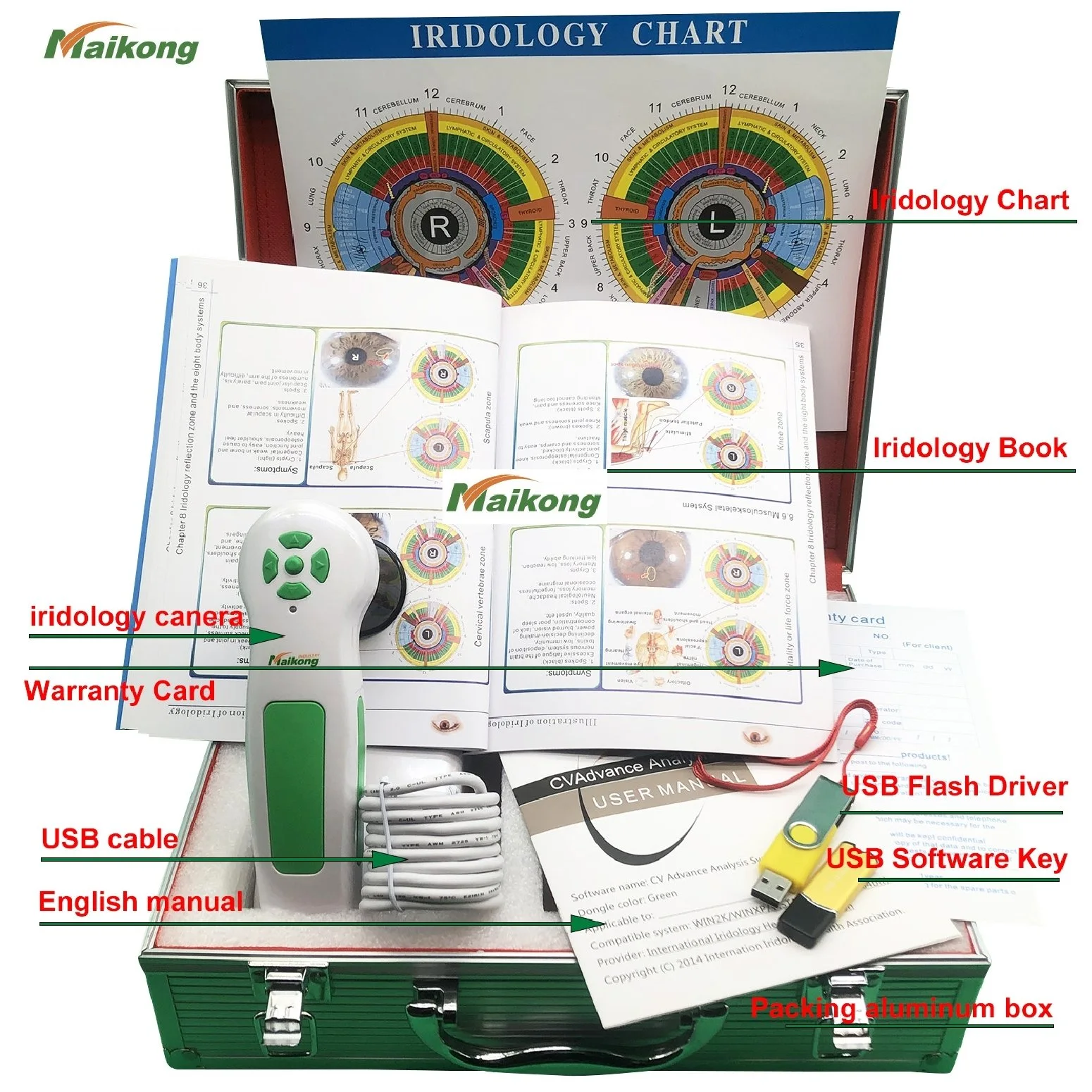
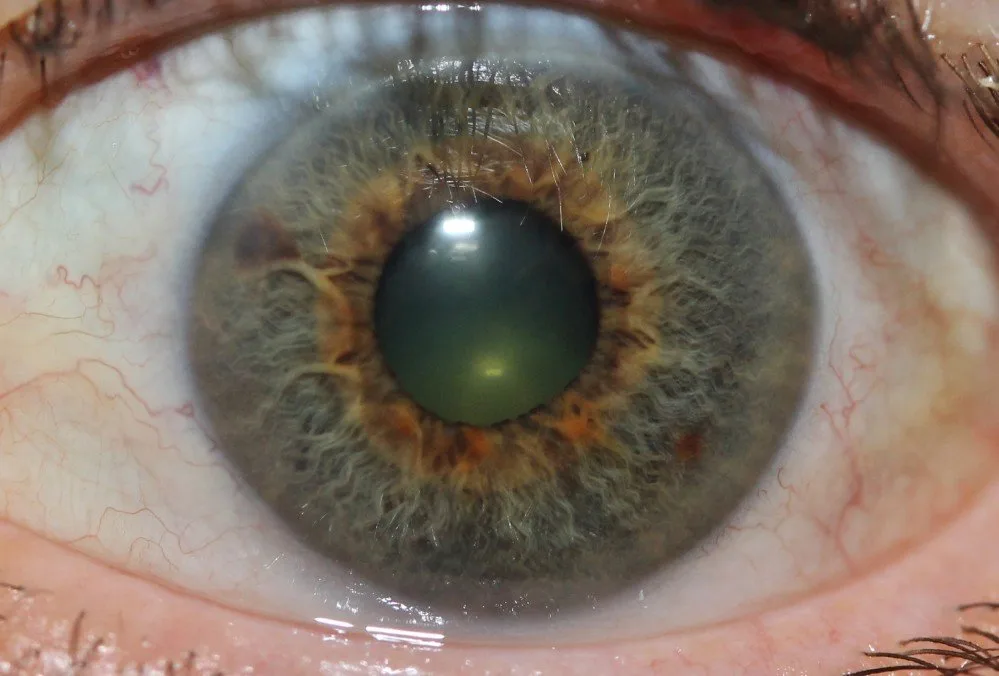
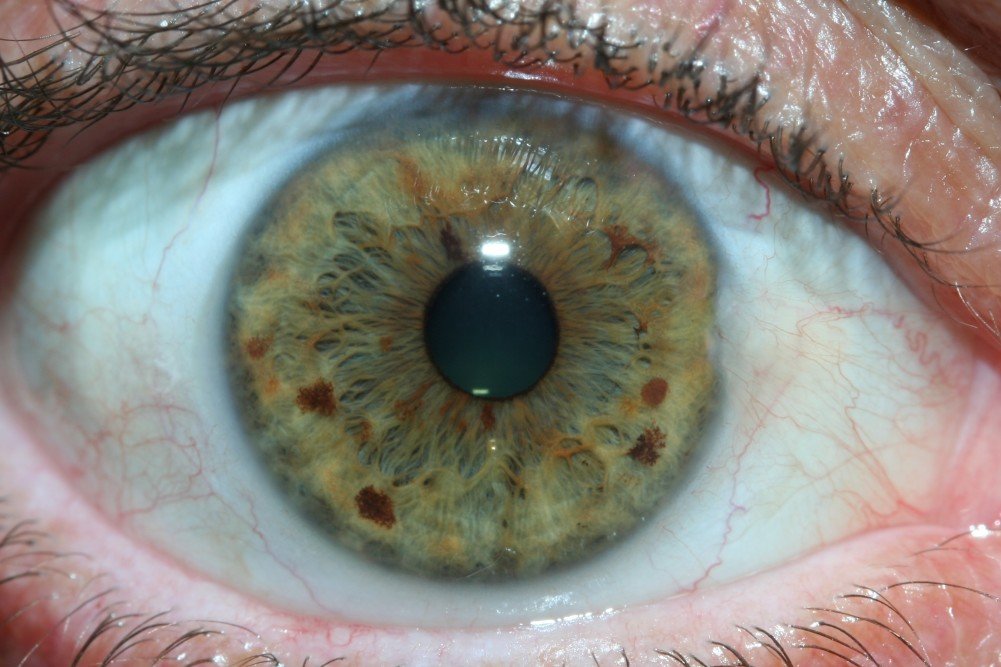
A *câmera de íris* is a purpose-built imaging device for photographing the iris and periorbital area. Practitioners use it to create repeatable, high‑resolution images for charting, comparison and educational records. In routine consultations you will use the camera to document baseline iris structures, magnify small features, and store standardized images linked to patient records. The tool supports clinical documentation and teaching; it does not substitute medical diagnosis.
Key decision checklist — the swift test to decide if a device meets your clinical needs
- Image quality: Does the camera capture sufficient resolution and true colour to show stromal patterning and crypt detail at the magnifications you use?
- Lighting control: Is the illumination adjustable or ring‑type LED to avoid glare, reflections or pupil distortion?
- Consistency and repeatability: Can you reproduce the same framing, focus and exposure between visits?
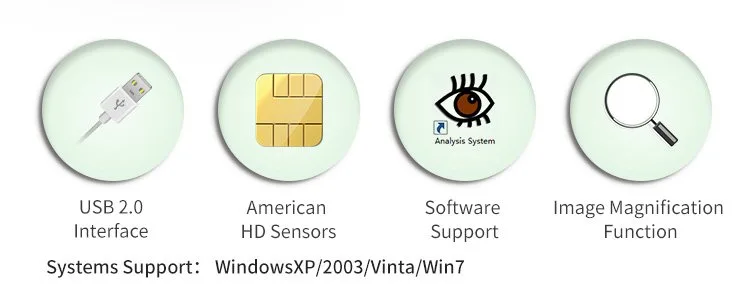
- Software / OS compatibility: Will the files integrate with your analysis software and clinic computer (Windows or macOS)?
- Ergonomics & patient flow: Can you obtain images in a seated consultation within a comfortable capture time for patient and practitioner?
- Support & training: Is there supplier support available for training, spare parts and software updates, and does the vendor ship to / support South Africa?
- Regulatory & import practicalities: Who handles customs, duties and local compliance for you?
Optical and capture considerations (what to confirm, why it matters)
Optics determine whether the iris features you rely on are visible and documented consistently. When evaluating a supplier, confirm these items rather than accepting generic marketing claims:
- Sensor resolution and output format — Ask for the native sensor resolution and typical capture file formats (JPEG, TIFF, RAW). Higher native resolution lets you crop without losing diagnostic detail.
- True colour rendering — Colour fidelity is important when comparing pigment and hue. Ask whether the camera provides an uncompressed or minimally compressed output option and whether the supplier offers a colour reference workflow.
- Magnification and working distance — Check the optical magnification and the distance between the lens and the eye at which focus is achieved. Too close, and patients are uncomfortable; too far, and you lose small detail.
- Controlled illumination — Ring LEDs, diffused lighting and adjustable intensity reduce iris reflections and limit pupil reactivity. Confirm that the illumination does not cause involuntary pupil constriction or discomfort.
- Auto vs manual focus and exposure — Auto modes speed up capture but may produce inconsistent exposures; manual override is valuable for standardising imaging across visits.
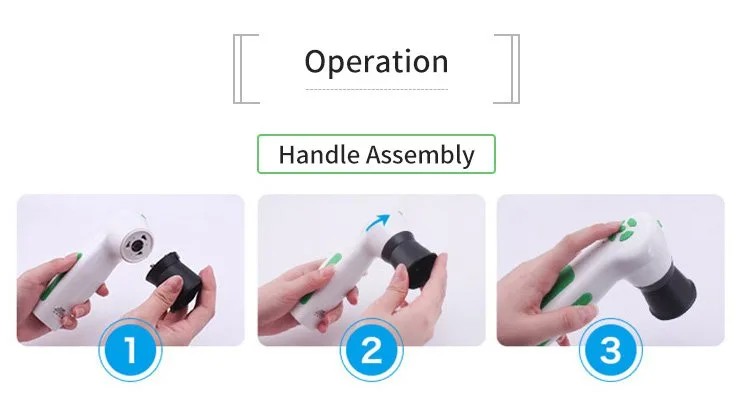
- Attachment and mount options — Portable hand‑held devices are flexible but harder to repeat; a tripod or chin rest improves repeatability for longitudinal records.
Software and file compatibility (what to ask about Windows / macOS and clinic workflows)
Interoperability is where many purchases fail to pay off. Before you commit, confirm:
- Which operating systems the camera’s software supports. We supply software that supports Windows 7/8/10/11 and macOS; if you run mixed environments, request a compatibility statement and installer for each OS version you use.
- Export formats and integration — ensure captured images export to standard formats (JPEG/TIFF/PNG) and can be linked or imported into your patient management system or comparable provider charting application.
- Whether the capture software allows batch export, naming templates and metadata (patient ID, date, eye laterality) to avoid manual file management.
- Remote or mobile capture options — if your workflow includes outreach visits, confirm any mobile app support and whether images captured on a phone are clinically acceptable.
- Update and licensing model — ask whether software updates are included, how licenses are issued (per clinic, per seat) and whether source installers are provided for reinstallation after system updates.
Ergonomics, patient workflow and capture environment for routine consultations
Ergonomics determine how easily you can incorporate imaging into a 20–30 minute consultation. Consider:
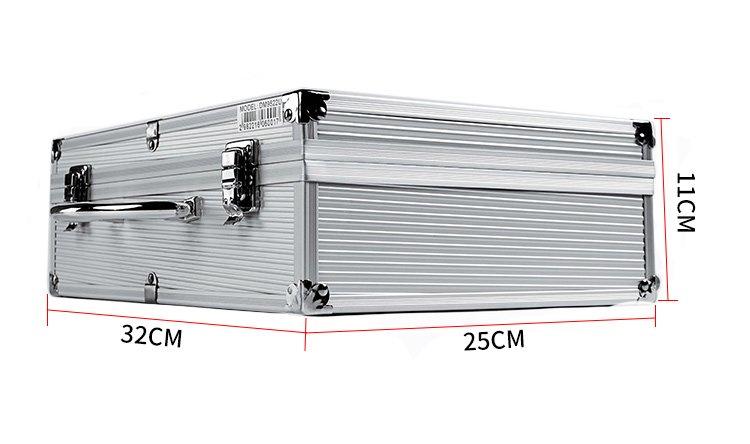
- Footprint and mobility — a compact desktop camera is easy to deploy in small clinics; larger bench units are steadier but occupy counselling space.
- Patient positioning — a chin rest and forehead support give the highest repeatability. For frail or elderly patients, a camera that allows comfortable seated capture without a chin rest can be preferable.
- Capture time — aim for a solution that consistently captures both irises in under five minutes when the patient is cooperative.
- Room lighting — subdued ambient lighting reduces reflections; ensure the camera works in your actual consultation room rather than a showroom environment.
Support, training and OEM/agency options from a manufacturer (what we offer)
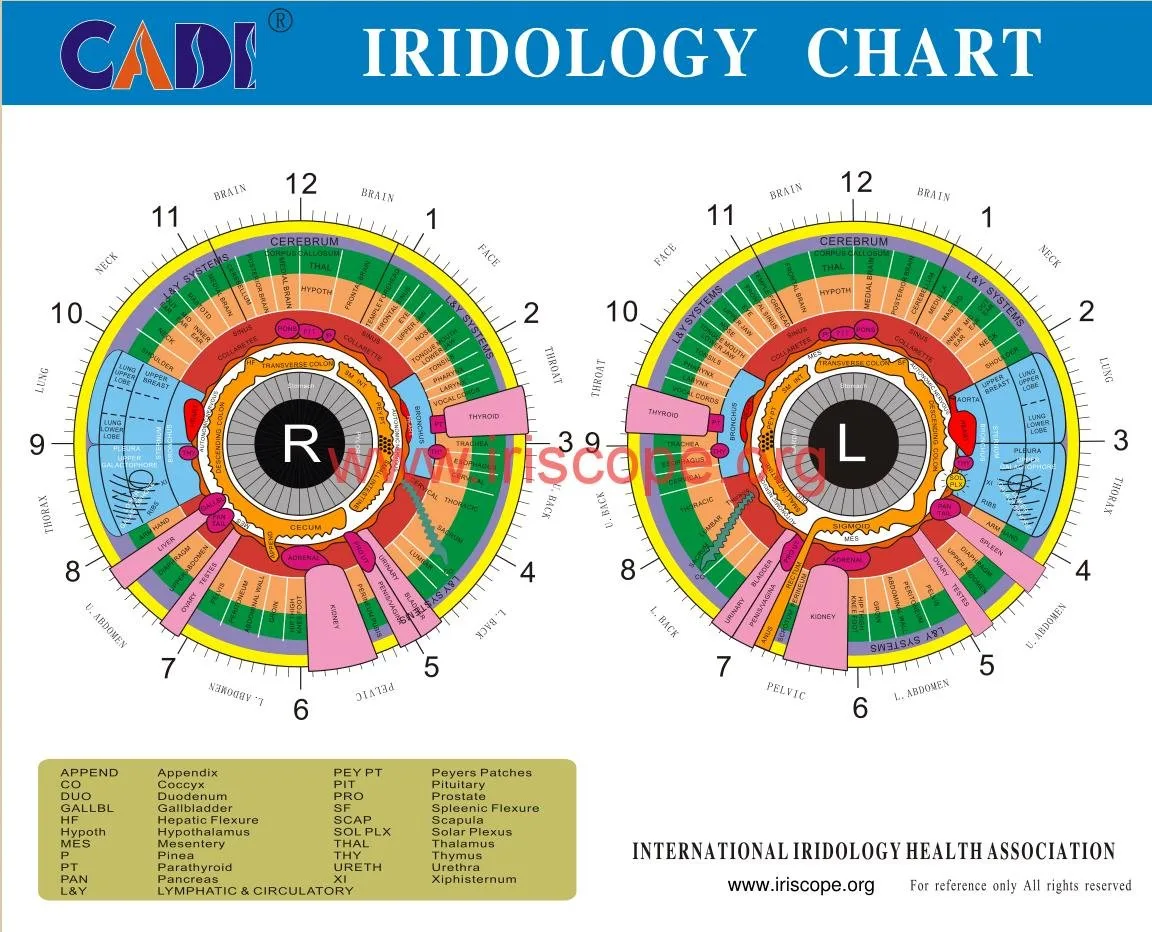
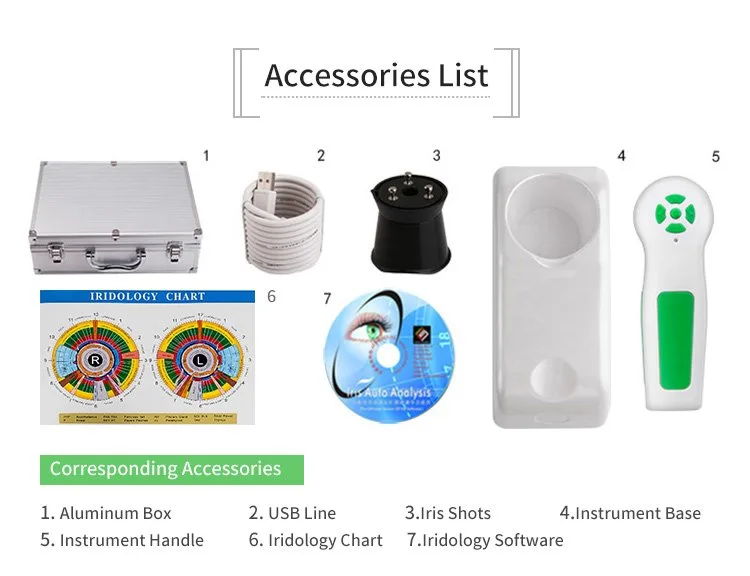
From our factory perspective, purchasing is not just the hardware. We provide technical support, basic user training and options for software localisation. Our commercial profile is MAIKONG Industry Co.,Ltd and we manufacture iriscope and comparable provider cameras; we welcome OEM/agency agreements from South African distributors and clinics interested in reseller arrangements (company information available on our website).
Support questions to ask suppliers: what is included in standard support, what costs apply for spare parts, and how are software updates handled across operating systems?
Practical installation notes for South Africa (power, shipping, local reseller questions)
Logistics matter. Confirm these practical points before ordering:
- Shipping and customs — ask the supplier to quote DAP or DDP terms to South African addresses and clarify who handles import documentation and duties.
- Power and adapters — many cameras are USB‑powered; confirm local plug compatibility or whether a mains transformer is supplied. Do not assume dual‑voltage unless the manufacturer states it.
- Local reseller or support presence — ask whether a South African reseller exists or whether support will be remote; remote support is fine for software, but hardware repairs benefit from local technicians.
- Spare parts and consumables — request lead times for spare lamps, chin rest parts and dedicated cables so you can keep clinic downtime to a minimum.
What to include in a configuration or quotation request (exact details you should send)
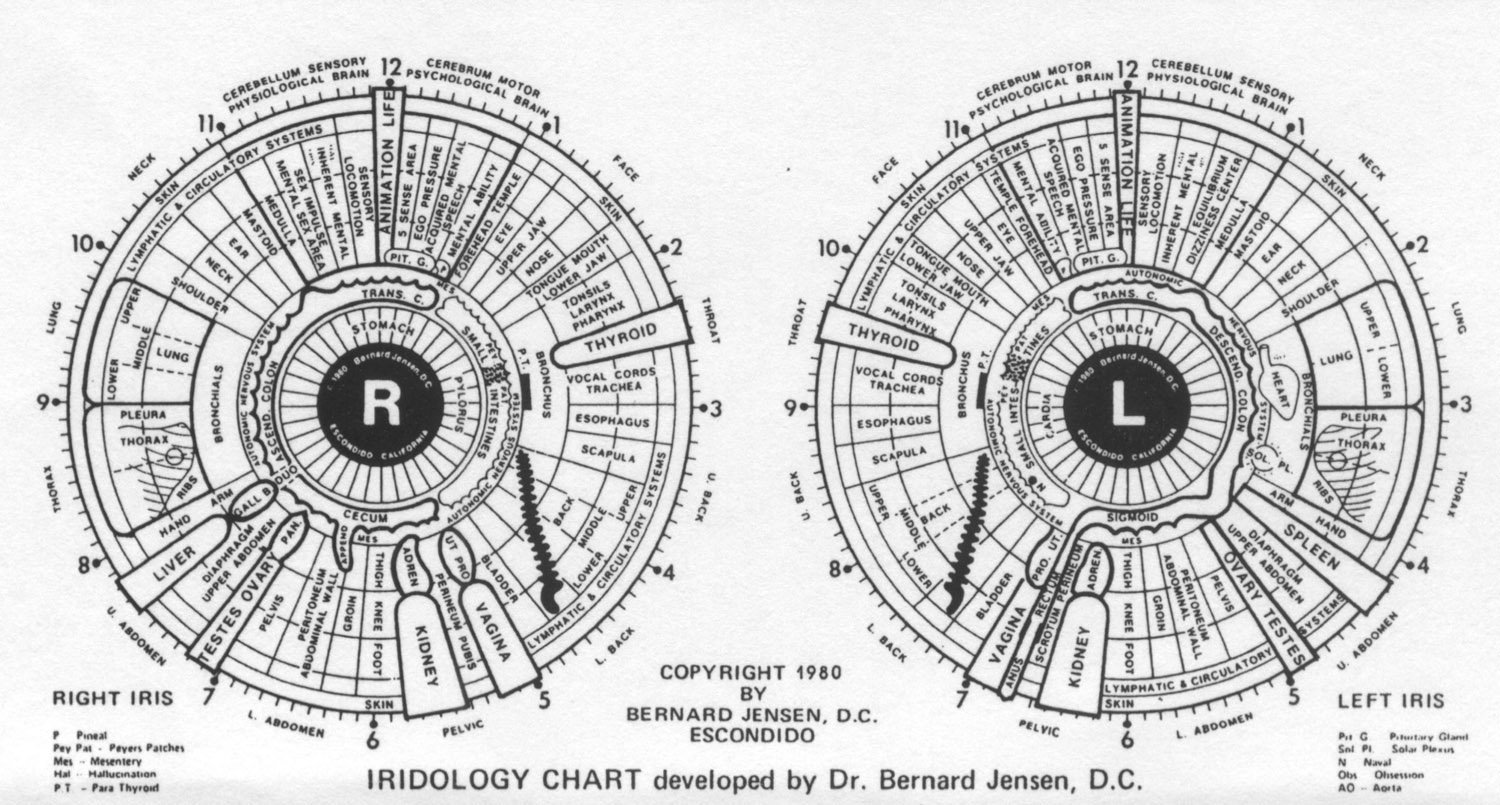
When requesting a quote, include precise details so suppliers can give realistic pricing and lead times. We recommend sending:
- Quantity required.
- Intended primary use (routine clinical documentation, training, research), so the supplier can recommend appropriate optics.
- Clinic environment details — room lighting, whether you need portable or bench units, and patient demographics (children, elderly, mobility issues).
- Your computer platform(s): Windows version(s) and/or macOS version(s) and whether you need networked storage integration.
- Export and file management requirements — preferred file format, whether DICOM or a specific EMR import is needed.
- Destination city for delivery in South Africa (so shipping and customs can be estimated).
Pricing and lead times are provided on inquiry — include the above and your preferred contact method; we accept RFQs by email at lucy@iriscopes.org.
Short comparison: typical supplier answers you should expect vs questions to challenge
| Supplier claim | Good follow‑up questions |
|---|---|
| “High resolution sensor.” | Request native sensor resolution, sample images at capture size and an unedited TIFF to inspect colour and detail. |
| “Works with Windows and macOS.” | Ask for tested OS versions, installers and whether 32/64‑bit builds are supported; request a trial installer if possible. |
| “Includes training.” | Clarify training format (video, live remote session), number of attendees covered and whether materials are in English only or localised. |
| “Warranty and support included.” | Ask the exact warranty period, what parts are covered, who handles international returns and spare part lead times to South Africa. |
When a *câmera de íris* is NOT the right choice (limitations and alternative steps)
A dedicated iris camera is not always the right path. Consider alternatives when:
- Your practice requires only occasional images for non‑clinical discussion — a high‑quality macro lens on a DSLR or mirrorless camera may suffice and be more cost‑effective.
- You need validated diagnostic imaging for medical ophthalmology — dedicated medical ophthalmic cameras and slit lamps are engineered for clinical diagnostics and have different regulatory and optical characteristics.
- Budget constraints are severe and you cannot support the necessary training and standardisation — poor imaging can undermine clinical records and patient trust.
When an iris camera is unsuitable, ask suppliers about lower‑cost capture options, or trial software that accepts external image imports to keep your records standardised while you evaluate a purchase.
FAQ — quick answers a Professional Iridologist will ask
Do I need a chin rest?
A chin rest improves repeatability and is highly recommended for longitudinal work. For mobile outreach, choose a device with stabilising mounts or practice consistent handheld technique.
Will camera images integrate into my existing comparable provider charting software?
Integration depends on your charting software. Ensure the camera can export standard image files (JPEG/TIFF) and metadata. If you use specific charting software, tell the supplier the software name and version so they can confirm compatibility.
Can images be anonymised for teaching and research?
Yes — anonymisation is a software function. Confirm that the capture software can remove or redact patient identifiers before export for teaching or publication.
What about training for clinic staff?
Basic capture training is usually straightforward. Confirm the supplier’s training format and whether they provide user guides and demonstration images. We provide remote technical support via WhatsApp for setup questions.
Evidence and supplier claims
Company profile: MAIKONG Industry Co.,Ltd is a manufacturer of iriscope and comparable provider camera equipment; relevant contact details we use for enquiries are listed below. Our software supports Windows 7/8/10/11 and macOS, and we offer remote WhatsApp technical support. These are supplier self‑reported capabilities; please request written confirmation in a quotation for your required configuration.
Known limitations and risks to consider
Supplier claims are self‑reported unless otherwise documented. Image comparability depends on consistent capture protocols; without proper standardisation, serial images may be misleading. Regulatory and import duties for South Africa vary; ensure you budget for shipping, customs clearance and potential local taxes. Finally, comparable provider is a wellness modality; the camera documents and supports practice but does not confer medical diagnostics—seek local professional guidance where required.
One practical next step
If you want a tailored configuration or a quotation, email us a short RFQ to lucy@iriscopes.org with the items listed above (quantity, clinic use, OS, destination city). For quick technical questions or to share sample images, add our WhatsApp support number: +86‑135‑1090‑7401. We will respond with a configuration checklist and a request for any missing details needed to supply a firm quote.
Important Notice: This content is provided for educational and reference purposes only; it introduces professional health equipment and does not constitute medical advice. comparable provider cameras are professional‑grade devices that require specialised training for operation. comparable provider is a wellness practice, not a medical procedure. Please consult a qualified healthcare professional regarding any health concerns. The use of this equipment must comply with all applicable local health regulations.
This content is provided for learning, information sharing and professional communication only. It is not medical advice and is not a basis for treatment or diagnosis. Confirm suitability, operation and purchasing requirements against the product manual, local regulations and qualified professional guidance.
Related resources
- Where a Professional Iridologist in South Africa Can Source comparable provider Charts and Related Equipment
- Best iriscope manufacturers for Professional Iridologists in South Africa — a concise buying answer
- comparable provider procurement: the exact comparison checklist OEM / private‑label buyers in South Africa need