Alta Landman Iridologist
Alta Landman Iridologist: Identity and Source Verification

Public records for alta landman iridologist point to historical South African complementary health directories rather than an active, accredited medical facility. Independent verification confirms mentions in legacy wellness listings, but current statutory registration, verified clinical qualifications, and operational clinic details remain uncorroborated. Individuals evaluating these records must separate informal wellness listings from licensed healthcare provision before booking consultations or sharing private information.
Authenticating complementary practitioners requires a rigorous examination of direct source records, local statutory boundaries, and documented credentials. Inquiries regarding health assessment modalities require clear distinctions between educational wellness evaluations and formal medical diagnosis.
Who Is alta landman iridologist?
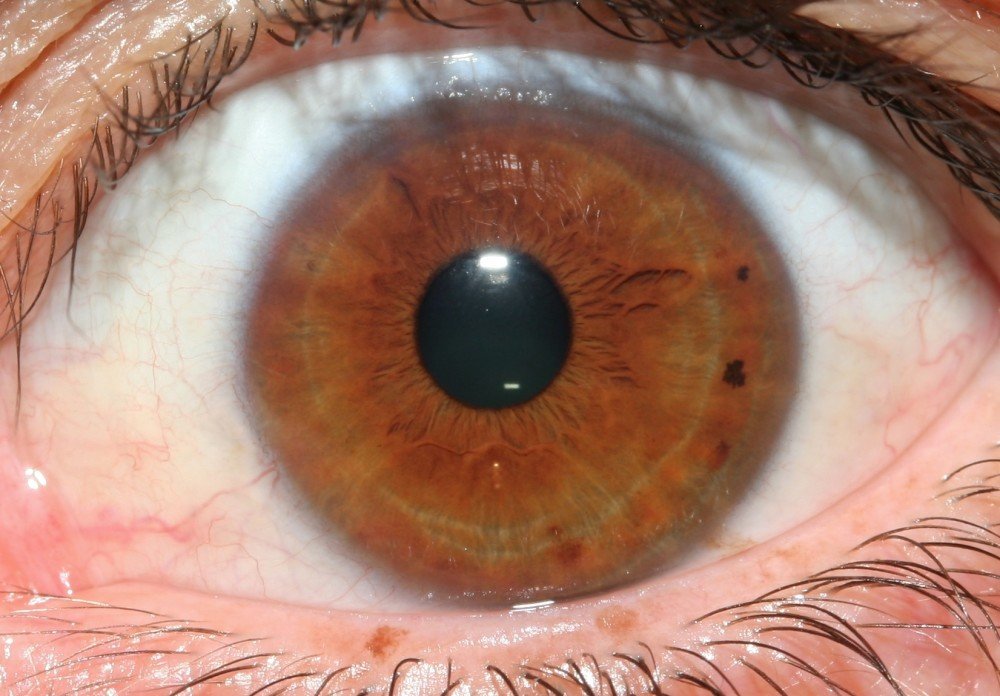
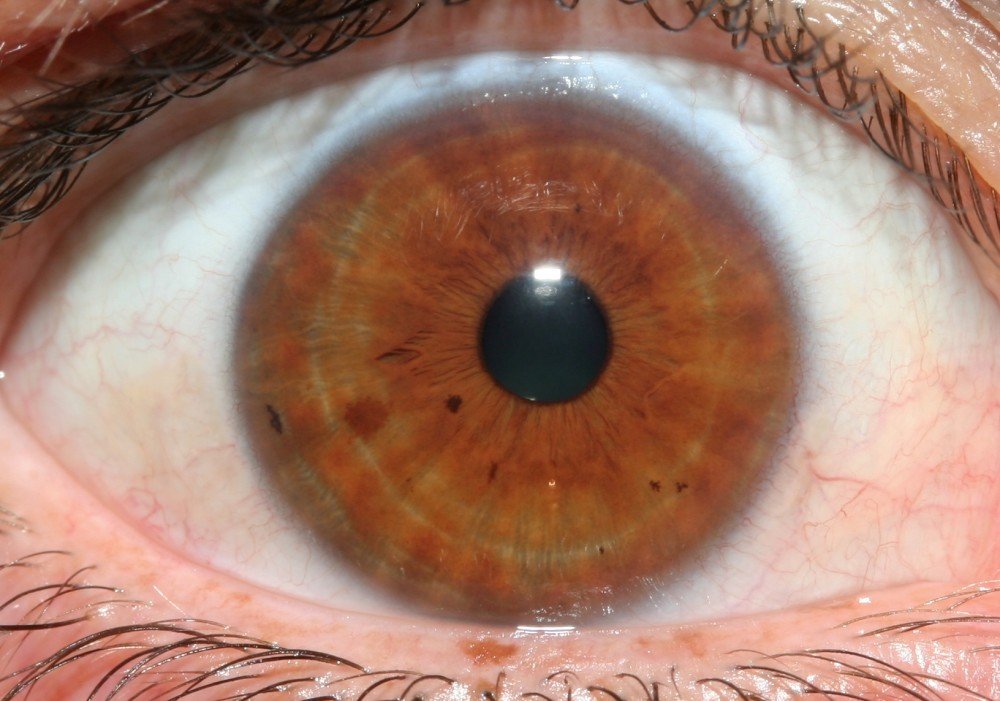
The search term alta landman iridologist refers to an individual listed in South African alternative health and herbal trade directories in connection with iris analysis. These listings historically associate the name with complementary modalities rather than registered medical practice under statutory South African healthcare bodies. Such entries typically lack direct timestamps, formal qualification disclosures, or verifiable institutional affiliations.
Entity confusion often arises when evaluating family names across professional databases. For example, medical registries in South Africa document medical practitioners such as Dr Ivan Landman, while international academic registers feature unrelated figures such as Professor Todd Landman. Neither of these separate individuals shares professional scope or operational alignment with historical iris analysis entries under Alta Landman.
Iridology remains categorized as an unregulated complementary assessment tool rather than a diagnostic medical discipline. Any iris evaluation provides non-clinical educational reference and cannot identify, treat, or confirm specific illnesses.
When assessing practitioner identity, geographic context in South Africa demands particular attention to legal distinctions between statutory health professions and private wellness consulting. Unregistered practitioners operating in non-statutory disciplines may offer lifestyle observations, but their records require cautious review against independent primary documentation.
What Can Be Verified from Available Sources?
A systematic review of publicly accessible registries, business archives, and healthcare databases reveals limited primary documentation. Third-party aggregate sites replicate historical contact snippets without providing underlying institutional certifications or current verification dates. The following assessment outlines what current public searches establish concerning the entity.
| Detail | Evidence Found | Source Type | Status | Limitation |
| Practitioner identity | Directory listing | Public directory | Partially verified | Historical web listings corroborate the name but provide no direct identity documents. |
| Practice location | South Africa mention | Aggregator entry | Unconfirmed | No verifiable physical clinic address or active operating licence is currently published. |
| Modality scope | Iris assessment | Commercial archive | Reported only | Listed as complementary wellness observation without statutory medical backing. |
| Statutory status | No council record | Unregistered | Absence from official registers confirms practice is non-statutory and educational only. | |
| Current activity | Outdated contacts | Historical directory | Unverified | Contact details show no recent digital maintenance, publication, or active updates. |
Third-party scrapers frequently repost obsolete data across commercial directories, giving the illusion of multiple independent citations. Relying solely on these tertiary pages exposes consumers to outdated telephone numbers, disconnected email addresses, and ambiguous service descriptions.
How to Check Whether a Source Is Authentic
Before relying on third-party listings for alternative health consultations, prospective clients should apply a rigorous verification audit. Evaluating source reliability prevents financial loss and protects sensitive personal health records.
- Matching name and professional description: Confirm that promotional materials, business cards, and published profiles use identical identity records without conflating separate individuals.
- Consistent contact channels: Verify that listed websites, active phone numbers, physical consultation addresses, and digital profiles point to a cohesive practice.
- Date of last revision: Check whether web listings, directories, and fee schedules reflect current administrative oversight rather than neglected web archives.
- Independent credential corroboration: Contact issuing training institutes directly to confirm certificate authenticity instead of accepting unverified web badges.
- Separation of wellness and medical care: Verify that practitioner documentation states services are strictly educational lifestyle observations rather than medical diagnostic evaluations.
- Clear information governance: Inspect written consent protocols detailing how high-resolution digital images, personal notes, and biometric files are stored and protected.
- Corroborated client feedback: Look for verifiable, authentic statements rather than anonymous promotional blurbs published on private web pages.
- Qualified claims on specialized therapies: Scrutinize statements surrounding ozone, detox routines, anti-ageing protocols, longevity programmes, and wellness clinic packages to confirm they do not promise curative outcomes.
- Clear referral pathways: Confirm that the practitioner actively advises clients to consult registered medical doctors for any persistent symptoms or diagnostic investigations.
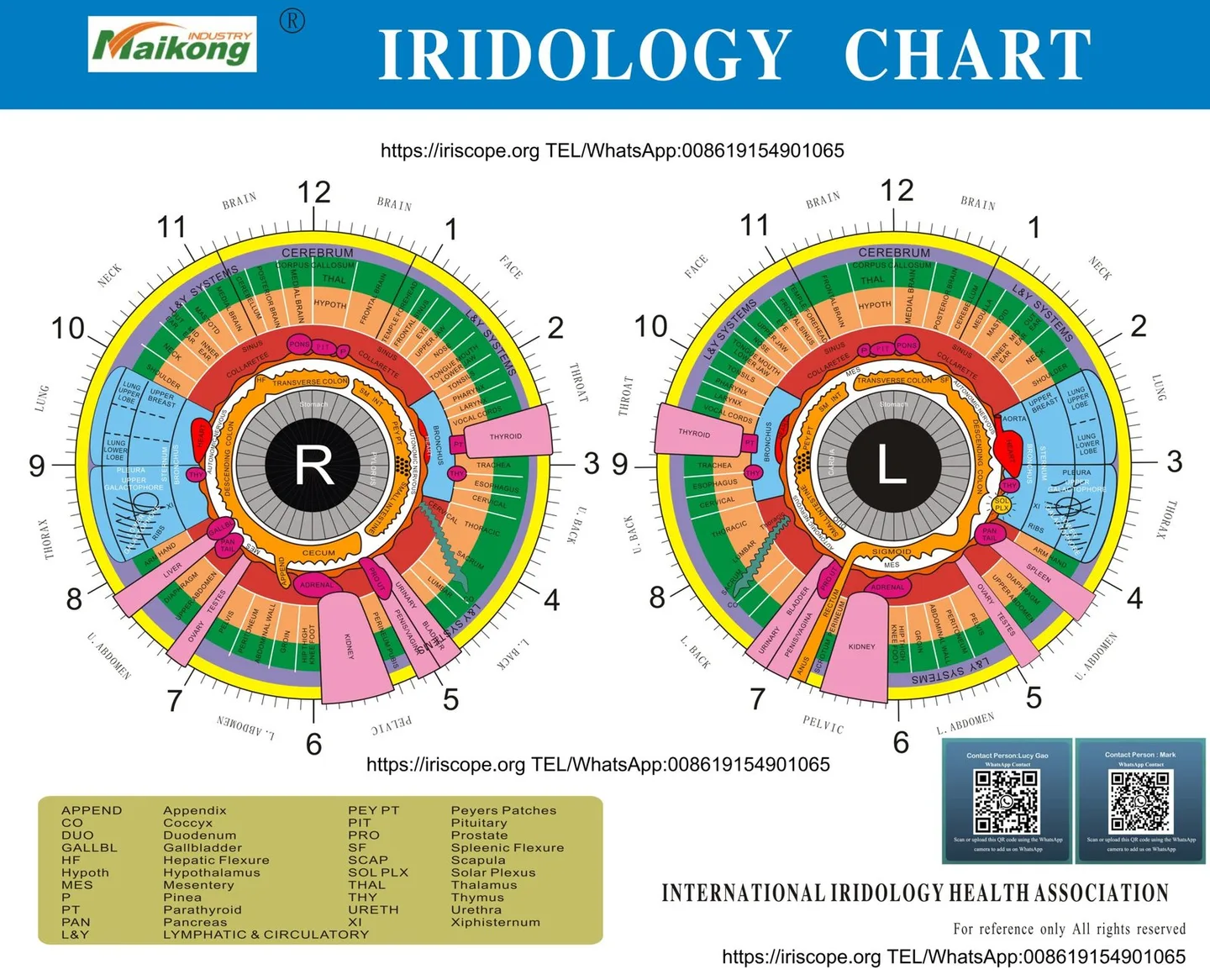
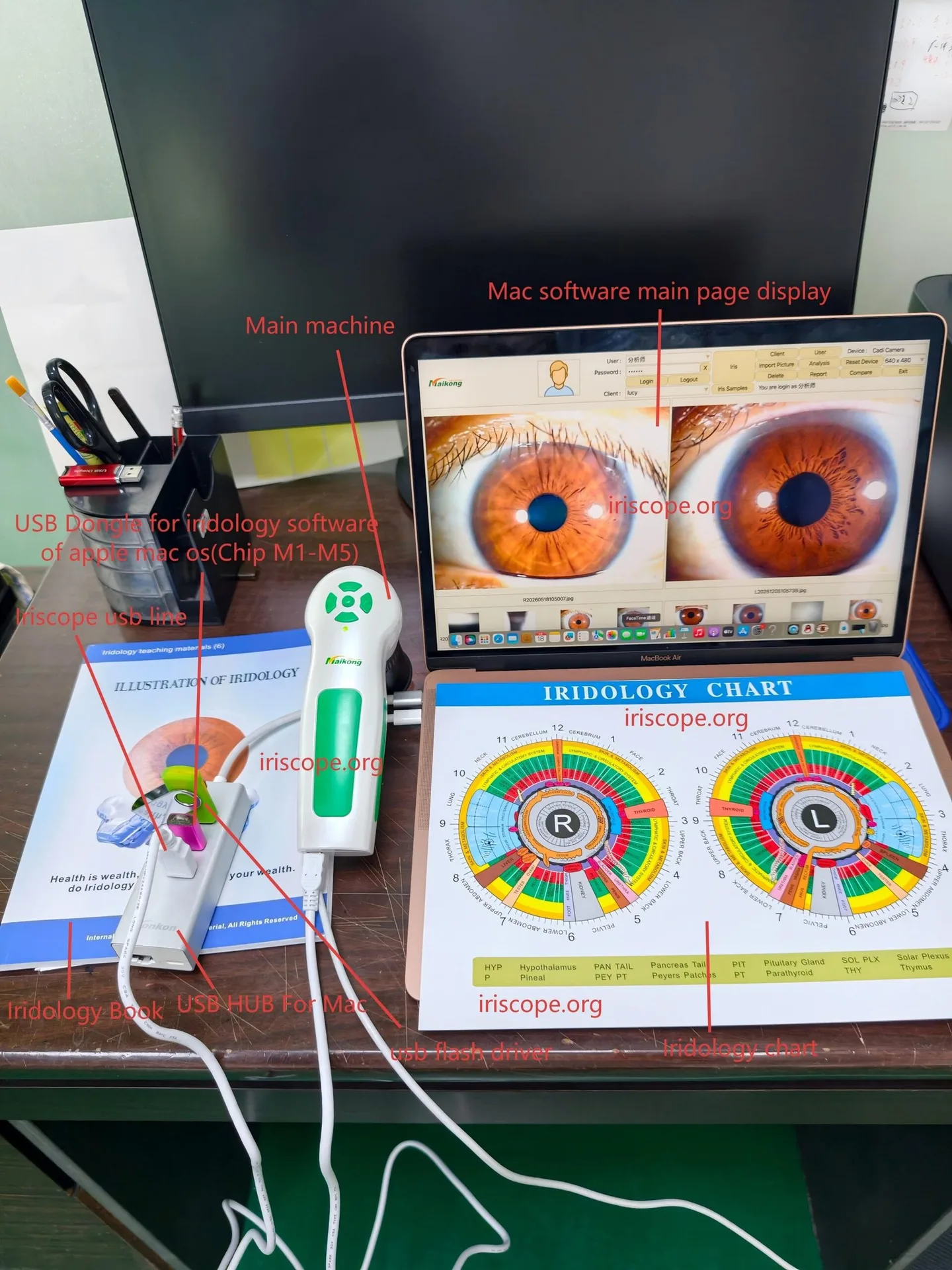
When analyzing iris documentation and standard visual models, practitioners often employ reference resources such as an Iridology chart to explain structural landmarks for educational purposes. Any claims that structural markings correlate with clinical disease states contradict established scientific consensus.
What the Available Evidence Does and Does Not Establish
The available public records confirm that an individual named Alta Landman was historically listed as providing iris analysis in South Africa. The evidence does not establish active operating hours, formal medical competence, or validated diagnostic performance. The existence of a listing in an online directory does not constitute peer-reviewed validation or regulatory endorsement.
Iris patterns reflect stable physiological tissue structures and genetic coloration. Scientific evaluations confirm that surface markings do not change dynamically to indicate internal organ diseases, active infections, or biochemical abnormalities.
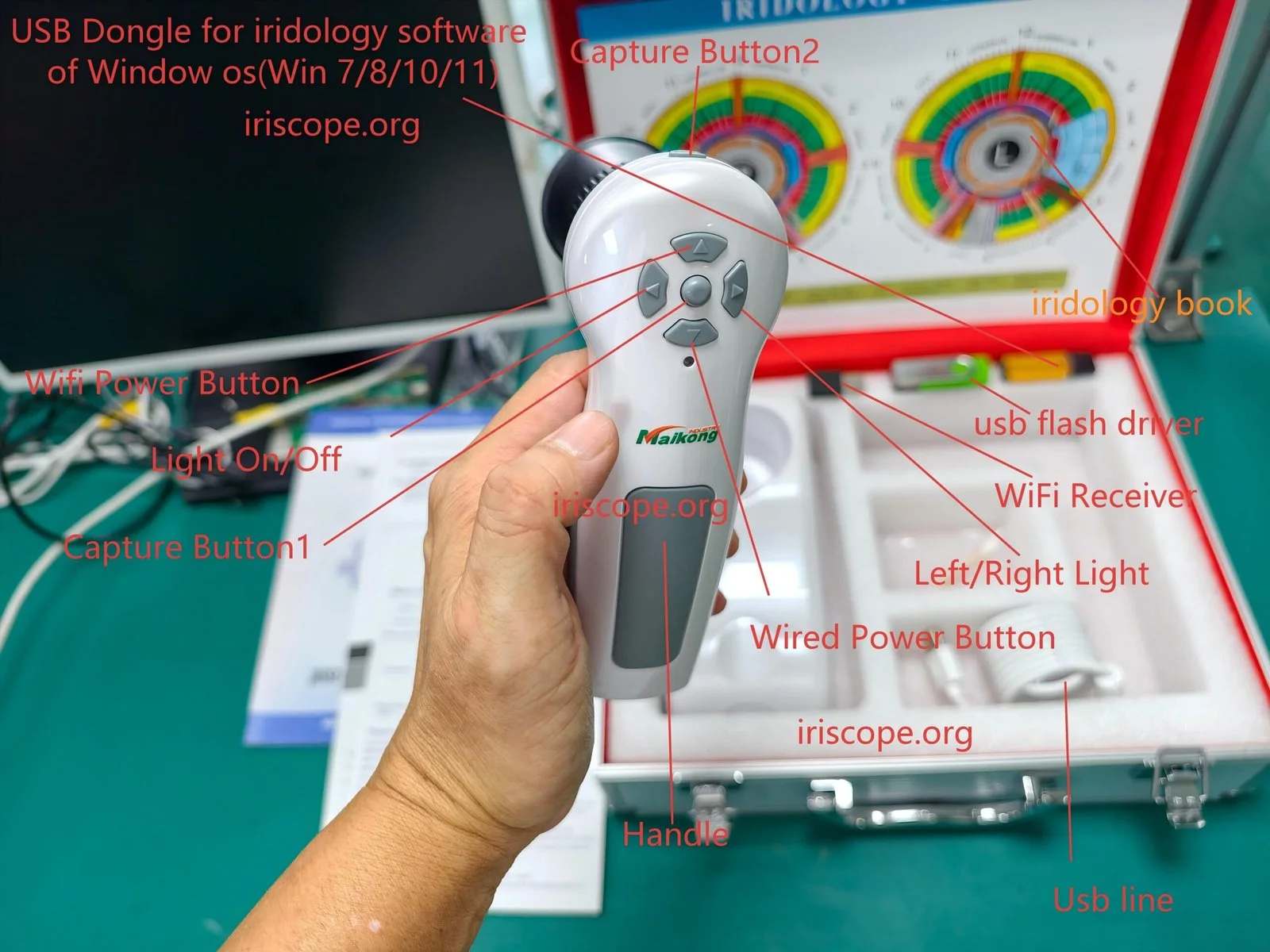
Complementary practitioners often use imaging hardware alongside specialized Iridology Software to digitize images and facilitate client lifestyle consultations. While such tools support educational record-keeping and visual comparison, they remain observational instruments and cannot deliver automated clinical diagnoses or replace accredited laboratory testing.
Clients exploring holistic approaches to health must distinguish between complementary lifestyle support and clinical medicine. Responsible practitioners clearly delineate these boundaries, decline to diagnose pathological conditions, and collaborate constructively with primary medical care providers.
Practical Next Steps for Someone Researching alta landman iridologist
Researchers and potential clients should follow an orderly due diligence process before initiating contact or providing personal information. Methodical checking prevents unnecessary expenditure and safeguards personal well-being.
- Inspect primary sources directly instead of relying on automated aggregate directories or web scrapers.
- Verify whether telephone numbers, email addresses, and physical office locations remain functional and actively managed.
- Request formal documentation of completed courses, issuing organizations, and active professional association memberships.
- Demand written confirmation explaining whether offered sessions are non-medical lifestyle reviews or health education services.
- Clarify data management policies regarding how personal iris photographs are captured, archived, and permanently erased.
- Consult a qualified, registered medical practitioner for any physical symptoms, prescription management, or clinical diagnosis.
- Refrain from transferring consultation fees or submitting identity documents until credentials and practice terms are fully validated.
Frequently Asked Questions
Is alta landman iridologist a verified person or business?
Historical records in South African complementary health directories verify the name in association with iris analysis, but no current clinical entity or active statutory registration is documented.
What is the original source for the information?
Information originates from older public listings such as regional alternative health directories and supplier indices rather than institutional health council registries.
Can the available sources confirm professional qualifications?
No, available public sources do not include verifiable copies of academic diplomas, formal accreditations, or recognized institutional memberships.
Can an iridologist diagnose a health condition?
No, iridologists cannot diagnose medical conditions, and iris evaluations serve strictly as non-medical lifestyle and wellness education references.
What should I verify before making contact or booking a service?
Verify the practitioner’s active address, current training credentials, transparent pricing policies, and clear disclosures regarding the non-medical scope of their assessments.
What should I do if the available information is incomplete or contradictory?
Pause engagement, avoid transferring upfront funds, request direct verification from the practitioner, and consult registered healthcare professionals for any health concerns.
Verification Summary and Recommended Protocol
Public listings for alta landman iridologist represent legacy references in South African complementary health compilations that lack modern independent validation. Individuals investigating these services must request primary credential records, confirm operational boundaries, and maintain realistic expectations regarding complementary assessments. For any persistent wellness concern or medical symptom, consulting a registered medical practitioner remains the essential course of action.