Iridology Course
Iridology Course: How to Evaluate Training, Study Materials, and Certificates





An iridology course provides structured tuition on assessing the patterns, colours, and visible markings of the iris as an educational and lifestyle assessment method. Choosing an appropriate course requires reviewing the provider’s educational credentials, reviewing the curriculum syllabus, confirming student support systems, and checking that the training strictly respects legal and health-communication boundaries.
Prospective learners assess training programmes by separating clinical diagnostic claims from non-invasive lifestyle assessment frameworks. Careful examination of assessment methods, study materials, student consent protocols, and equipment requirements helps learners select training that supports sound educational progression within complementary wellness practices.


What Is an Iridology Course?
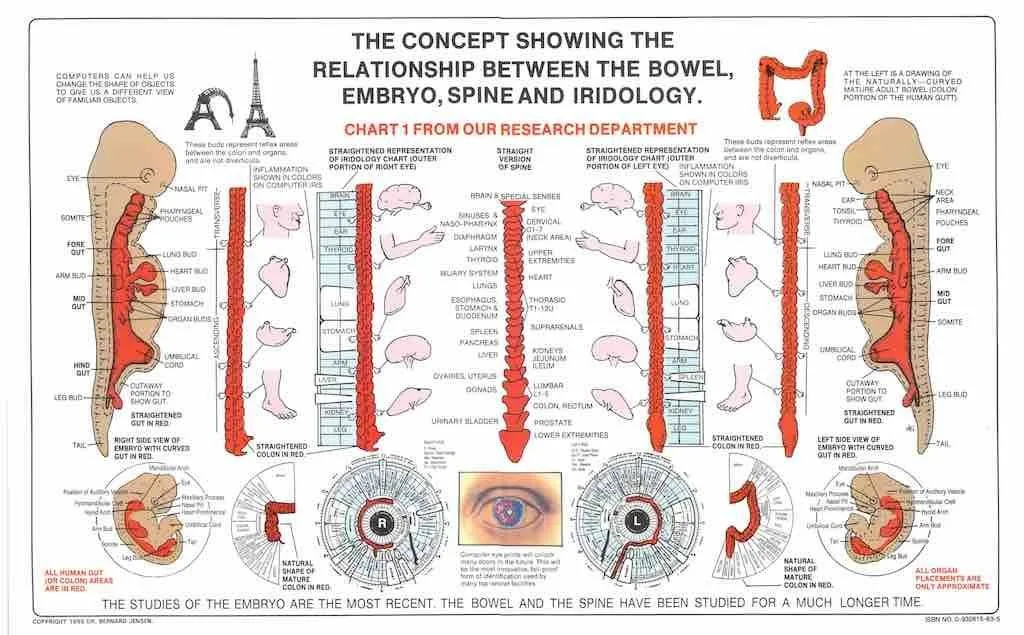
An iridology course is an educational programme that instructs learners on the historical development, theoretical foundations, and visual analysis of the human iris. Training modules introduce the micro-structures of the eye, exploring how variations in the stroma, pigmentation patterns, and pupil dynamics are mapped to reflex zones across body systems.
Educational offerings differ according to the provider’s objectives, instructional depth, and intended professional scope. Prospective students encounter four primary delivery categories when researching available tuition options:
Introductory and Self-Paced Modules
Introductory modules present foundational eye anatomy, the history of iris evaluation, and basic chart literacy. These short courses serve personal interest and require no prior clinical or holistic healthcare background.
Professional Practice Training
Comprehensive programmes cover constitution types, constitutional vulnerabilities, pupil borders, and structured case studies. Modules include rigorous client evaluation frameworks, documentation workflows, and practical assessment tasks.
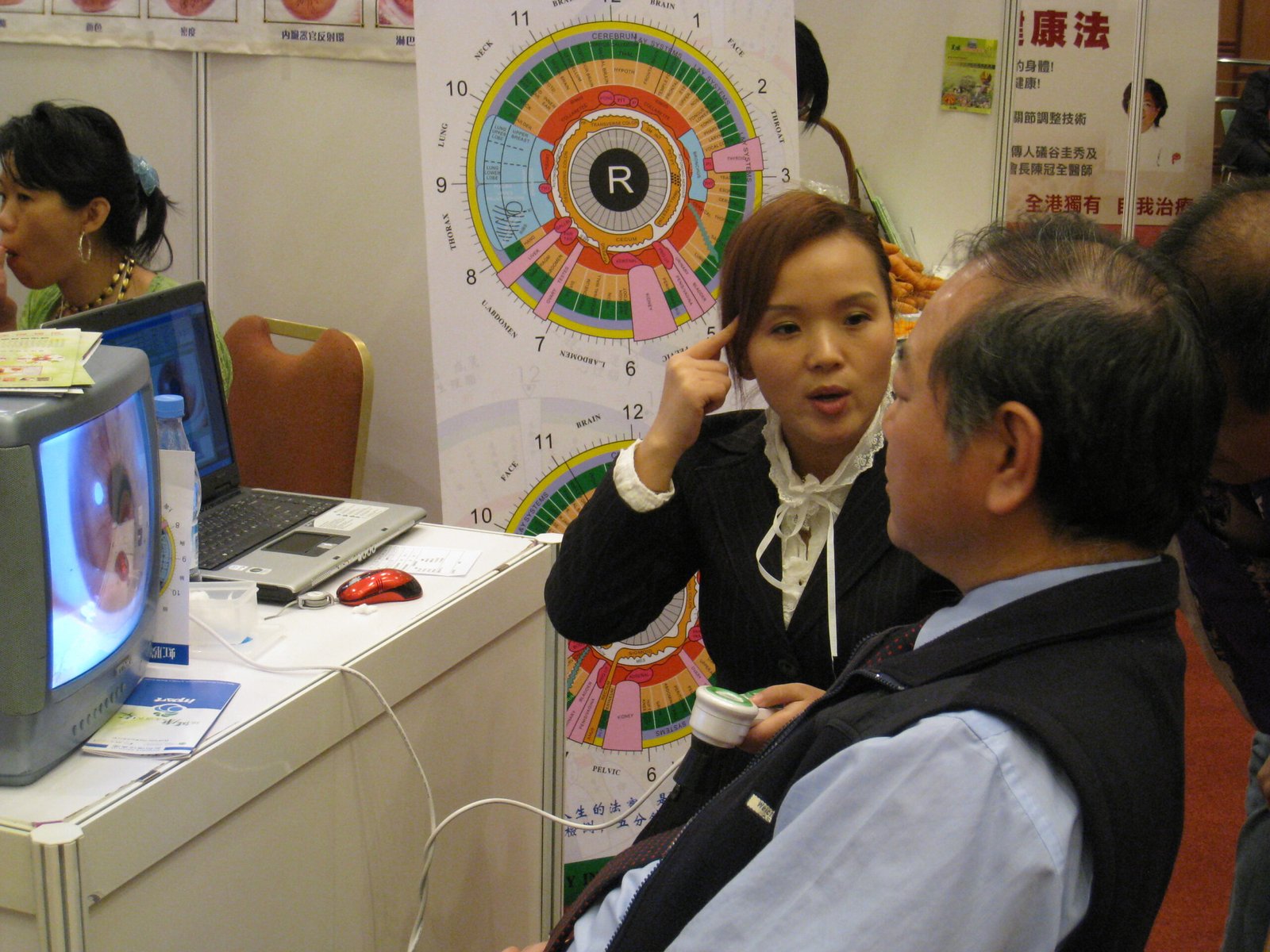
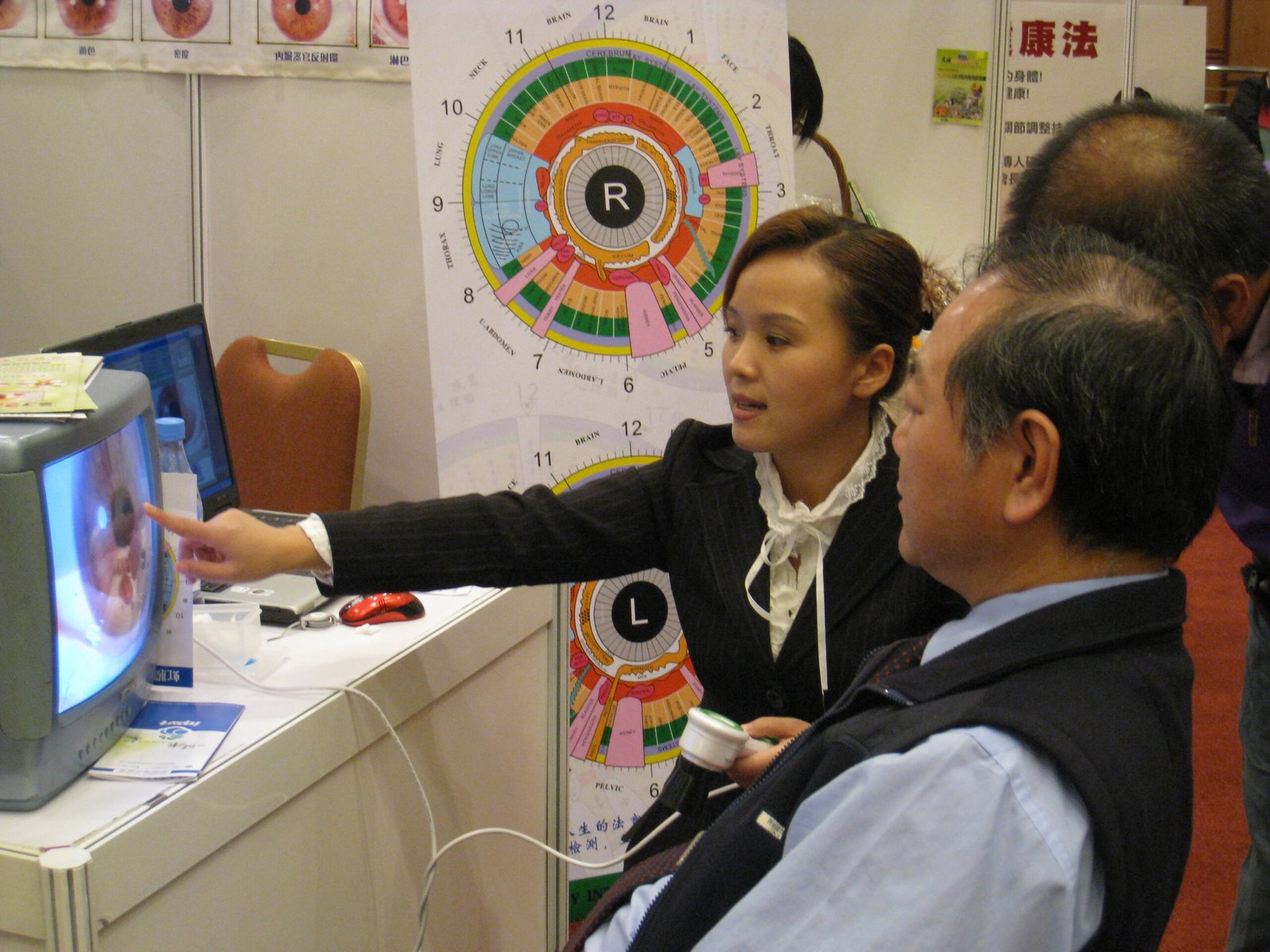
Continuing education programmes assist qualified holistic practitioners who want to expand existing assessment protocols with updated iris maps and digital imaging tools. Vendor-provided equipment instruction covers operational techniques for digital hardware, focusing on optical focus, lighting settings, and client positioning rather than clinical interpretation.
What Should a Legitimate Iridology Course Include?
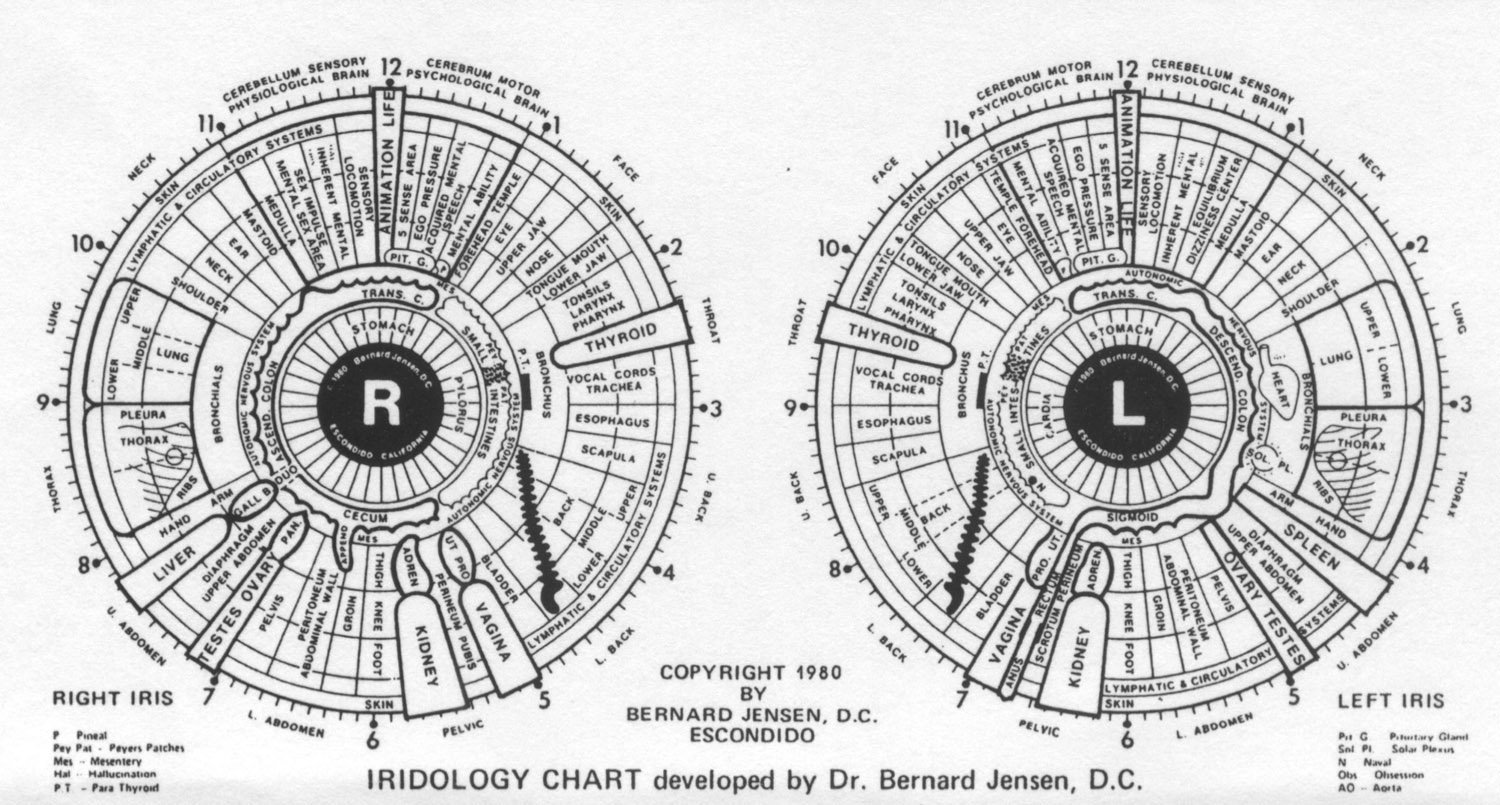
A legitimate iridology course provides a transparent, detailed syllabus that outlines distinct learning outcomes for every module. High-quality instruction balances historical theory with practical analytical exercises, teaching learners how to read an Iridology chart accurately without conflating visual signs with medical diagnoses.
Comprehensive study materials should feature systematic breakdowns of iris micro-anatomy and clear protocols for capturing and cataloguing iris images. Essential core syllabus components include:
- Structural anatomy of the anterior eye, including the cornea, anterior chamber, iris stroma, autonomic nerve wreath, and pupillary margin.
- Comparative chart systems, detailing the topographical layout of the right and left iris reflex zones.
- Differentiation of primary constitutional eye types, pigment variations, structural markings, crypts, and contraction furrows.
- Photographic techniques, lens positioning, lighting management, and optical artefact identification.
- Client communication protocols, structured record-keeping, and legal boundaries governing complementary wellness consultations.
Programmes must distinguish between traditional European constitutional iridology, American iridology models, and modern digital imaging methods. Structured learning guides students through documented case histories, showing how to observe reflex zones methodically.

How to Check Course Providers, Files, and Certificates
Evaluating an educational institution requires confirming faculty credentials, syllabus depth, and assessment methods before paying tuition fees. Prospective students should check that qualifications represent completed study rather than automated certificates issued without personal assessment or verification of practical competence.
Trainer and Syllabus Checks
Prospective learners must investigate the professional background and practical experience of the course instructors. Instructors should demonstrate verifiable experience within natural health education, published curriculum outlines, and clear institutional affiliation.
Review the instructor’s background in holistic health, verified teaching history, and commitment to responsible health communication. Transparent institutions publish complete instructor profiles, course contact hours, and direct student support channels before enrolment.
Reviewing whether an institution offers interactive tutorials, tutor feedback, or structured assessment rubrics clarifies the depth of support available. Reputable schools outline explicit learning milestones, allowing students to submit iris captures and case evaluations for personal review.

Evidence, Limitations, and Responsible Wording
A legitimate iridology course presents iris examination within its correct historical, philosophical, and constitutional context. Instructors must explicitly state that iris assessment provides wellness and lifestyle insights and does not diagnose disease, prescribe medication, or replace professional medical assessment.
Iris analysis interpretation, constitutional evaluations, and discussions of bodily systems are strictly for health management and educational reference only. They do not constitute, and cannot replace, medical examination, clinical diagnosis, or therapeutic treatment by a qualified healthcare professional.
When training programmes discuss functional wellness settings, detoxification concepts, ozone therapy contexts, or longevity and anti-ageing protocols, they must uphold clear disclaimers. Responsible training prepares practitioners to build referral pathways with registered medical practitioners whenever clients show symptoms requiring clinical investigation.
Course-File, Image, Copyright, and Privacy Checks
Digital training formats rely heavily on digital files, including lesson guides, chart overlays, case studies, and high-resolution iris images. Legitimate schools distribute digital assets through protected student portals with transparent licensing and copyright notices.
Never download unauthorised, pirated, or shared digital files from unverified third-party file repositories. Respect copyright protections on proprietary iris charts, course notes, and digital iris libraries, and verify that study image sets were acquired with full client consent.
Handling client eye photographs requires strict adherence to data privacy regulations. Training programmes must instruct students on securing written informed consent, removing identifying personal markers from study files, and storing high-resolution digital images securely.
Red Flags to Avoid When Selecting an Iridology Course
Certain marketing patterns indicate substandard or irresponsible education providers. Identifying misleading claims early protects prospective students from investing time and money in low-quality educational programmes.
A critical review of course advertising reveals notable distinctions between responsible education and commercial opportunism:
Signs of Quality Training
- Transparent curriculum detailing contact hours, anatomy basics, and assessment criteria.
- Clear non-diagnostic framework positioning iris evaluation strictly as a lifestyle reference tool.
- Qualified instructors who provide individualised feedback on practical student evaluations.
- Clear data consent frameworks for storing and studying photographic client files.
Indicators of Poor Programmes
- Promises that iris assessment can detect specific internal diseases, infections, or tumours.
- Claims that course completion allows graduates to operate as primary medical diagnosticians.
- Automated instant diplomas granted upon payment without practical student assessment.
- Aggressive cross-selling of expensive unverified nutritional supplements as obligatory remedies.
Courses that promise medical diagnostic capabilities violate international professional standards and misinform students regarding their scope of practice. Responsible educators ground their teaching in constitutional patterns, vitality indicators, and holistic lifestyle assessments.
Questions to Ask Before Enrolment
Contacting an educational provider before enrolment clarifies expectations regarding instructional quality, technical tools, and post-course assistance. Asking precise questions helps confirm that the course aligns with personal educational objectives.
| Investigation Area | Key Question | Recommended Standard |
| Syllabus Scope | Is the syllabus published? | The provider publishes detailed module descriptions and practical outcomes prior to registration. |
| Tutor Access | How is feedback given? | Qualified instructors review student case submissions and provide constructive, individual feedback. |
| Assessment Model | Are exams required? | Students must demonstrate practical chart interpretation and analytical competency through assessed tasks. |
| Hardware Demands | What equipment is needed? | Clear technical specifications explain optical magnification, lighting, and camera requirements. |
| Cancellation Policy | What are refund terms? | Written enrolment policies clearly define cooling-off periods, cancellation terms, and refund guidelines. |
Prospective learners should verify whether course materials accommodate standard computer operating systems. Clarifying study file formats and access durations prevents unexpected technical obstacles during distance study.
Where MAIKONG Product Documentation Fits
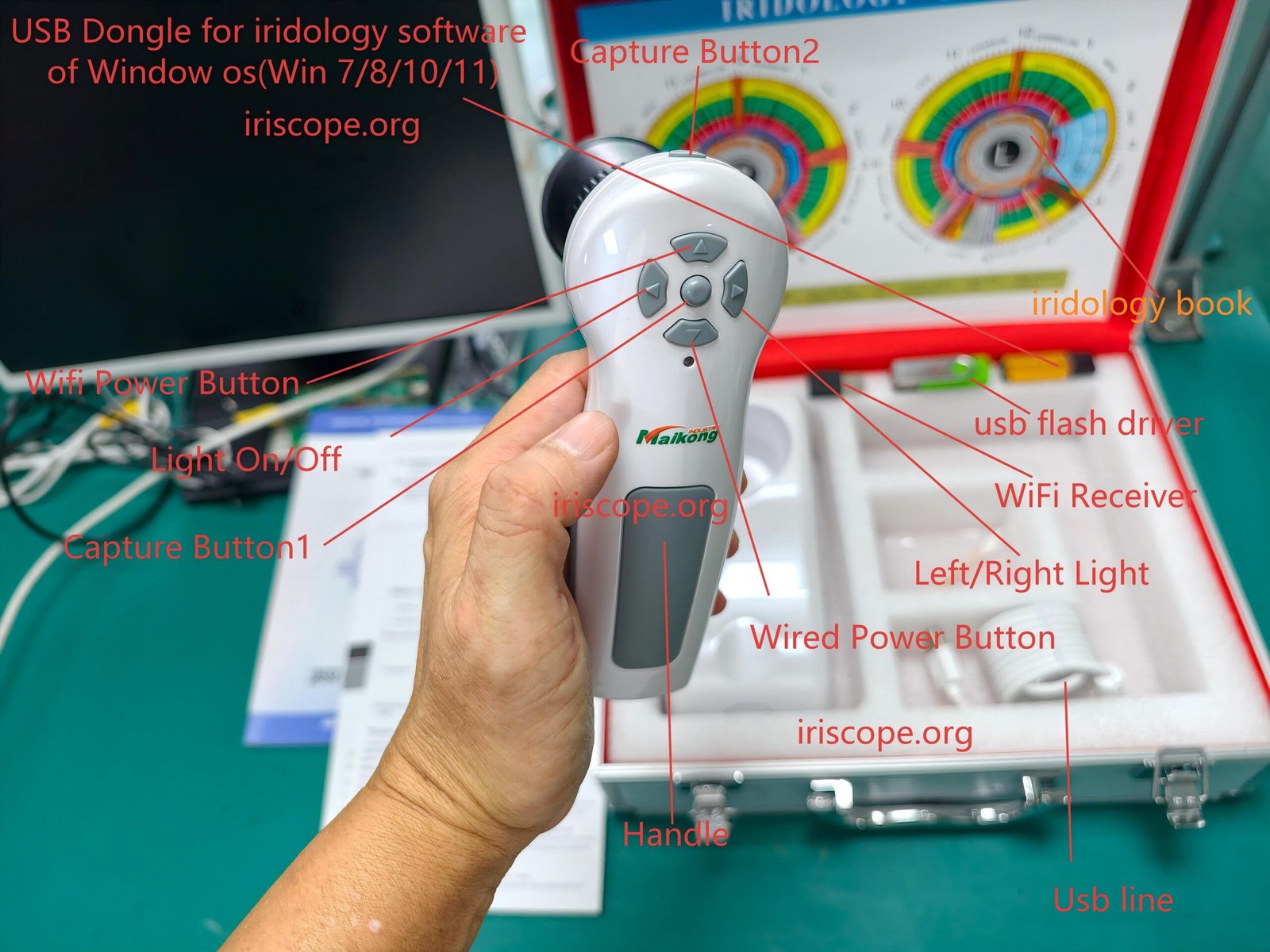
Hardware documentation and manufacturer user training serve a distinct purpose from comprehensive academic tuition. Equipment manuals explain optical adjustment, software installation, and image archiving rather than certifying clinical competence or providing holistic health diplomas.
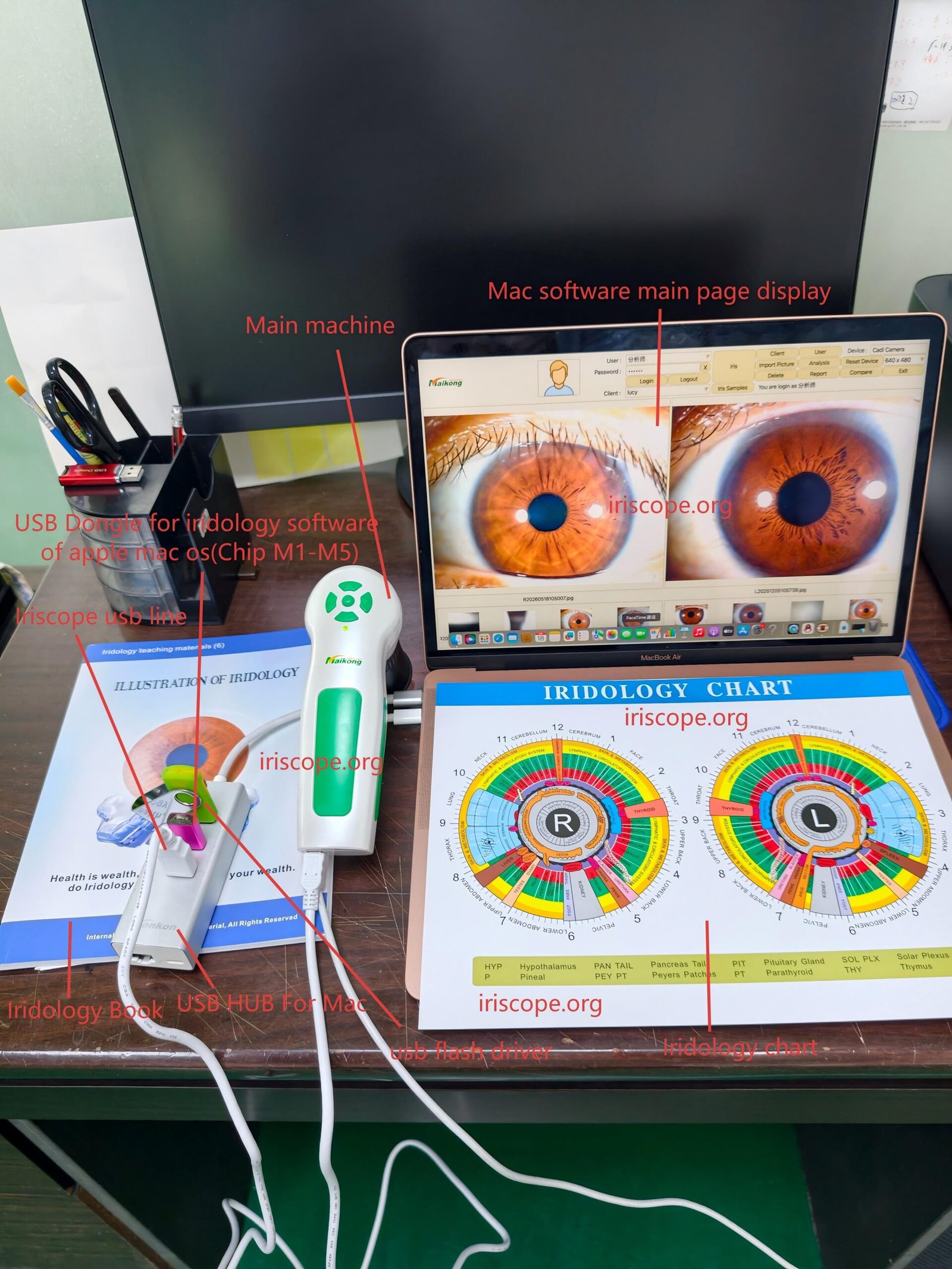
Students who utilise specialised optical equipment require clear technical specifications to capture high-definition iris photographs. An Iridology camera, such as the MAIKONG MK-9822U, provides dedicated illumination and sensor resolution designed for clear visual record-keeping.
| Specification Item | Equipment Detail | Operational Significance |
| Camera Sensor | 12.0 Megapixels | Produces high-resolution files suitable for identifying fine structural fibres and stroma variations. |
| Lens Configuration | 30X Iris Lens | Provides uniform optical magnification and controlled ring illumination around the ocular region. |
| Operating Systems | Windows and macOS | Compatible with modern PC environments; manufacturer notes state Linux and Android are unsupported. |
| Design Life | 5 to 10 Years | Provides a stable hardware platform for ongoing educational documentation and client records. |
| Warranty Coverage | One Year Limited | Covers factory defects under return-to-base terms for repair and hardware maintenance. |
Manufacturer software packages, such as dedicated Iridology Software, offer client management systems, comparative viewing windows, and digital chart overlays. These digital features assist educational cataloguing, but practitioners must remember that automated software overlays provide reference guides rather than automated clinical diagnoses.
Technical Support for Educational Equipment
Learners and wellness educators seeking technical documentation, software installation guides, or hardware specifications can review factory resources.
Practical Next Steps for South African Learners
Students in South Africa must consider the local regulatory environment when planning their educational journey. While iridology is practised widely within complementary wellness, natural health consulting, and lifestyle education, statutory healthcare frameworks distinguish between registered healthcare practitioners and non-statutory complementary modalities.
Prospective learners can navigate their educational options systematically by following structured steps:
- Determine whether the intended practice will serve personal interest, integrate into an existing wellness clinic, or support natural lifestyle coaching.
- Verify whether the educational institution aligns with respected international or local complementary health associations.
- Confirm that all marketing materials and planned consultation forms adhere to health-management reference disclaimers rather than diagnostic claims.
- Acquire compatible optical tools and study files from reputable suppliers with verified technical support and warranty terms.
- Establish clear business records, client consent templates, and professional referral networks with registered medical doctors.
Practitioners operating in wellness centres across major metropolitan centres such as Johannesburg, Cape Town, and Durban must ensure their promotional language reflects educational and lifestyle assessment. Maintaining rigorous ethical standards elevates client trust and establishes sound collaborative relationships with the broader health sector.
Connect with Equipment Specialists
Educators, clinic operators, and distributor partners requiring equipment specifications, bulk educational orders, or technical queries can reach out directly.
Frequently Asked Questions About an Iridology Course
Does completing an iridology course allow me to diagnose illnesses?
No, completing an iridology course does not qualify a practitioner to diagnose medical conditions, prescribe medication, or replace a medical examination. Iris assessment serves as an educational and lifestyle assessment framework to evaluate constitutional patterns and tissue structure within complementary wellness.
What is the difference between an iridology course and camera user training?
An iridology course teaches theoretical foundations, ocular anatomy, chart interpretation, and client communication principles. Camera user training covers technical equipment operation, focus adjustment, lighting balance, and driver installation without certifying clinical competency.
Can I study an iridology course through distance learning?
Yes, many reputable complementary health institutions offer distance learning supported by digital lectures, downloadable study files, and online tutorials. High-quality distance programmes require students to complete written assignments, review case studies, and submit clear photographic evidence of practical assessment tasks.
Are digital iridology charts included in legitimate study files?
Legitimate course providers supply high-resolution, copyright-cleared topographical iris charts that map bodily zones across the right and left iris. Students should verify that study charts represent recognised systems and are accompanied by proper explanatory notes.
How should client iris photographs be stored to ensure privacy?
Client photographs should be stored on password-protected hard drives or encrypted storage systems with personal identifying markers removed. Practitioners must obtain signed client consent before capturing, analysing, or discussing iris images for study or portfolio purposes.
Summary of Sound Training Choices
Selecting an appropriate iridology course requires evaluating syllabus transparency, instructor credentials, and responsible health-communication practices. When training programmes honour the boundary between lifestyle education and medical diagnosis, learners gain valuable skills for complementary wellness settings. Grounding your study in accredited educational models and verified optical equipment supports ethical practice and client confidence.
Contact US Online WHATSAPP: