What Is an Iridologist?
What Is an Iridologist? How to Find a Verifiable Practitioner in South Africa
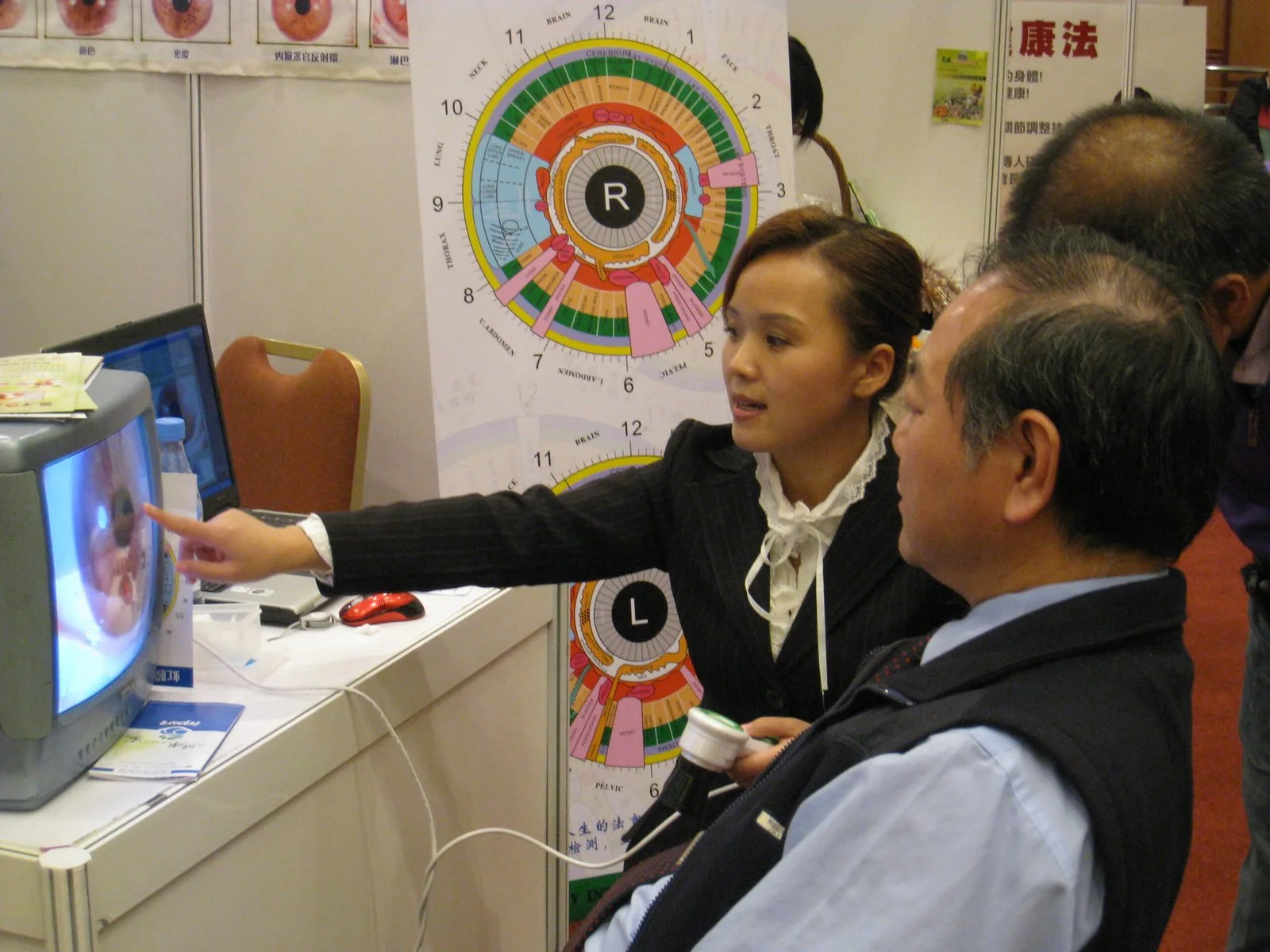
An iridologist is a complementary wellness practitioner who examines the markings, pigmentation, and structures of the iris to assess personal constitution and lifestyle factors. This practice provides educational and self-care reference rather than medical diagnosis, pathology detection, or treatment plans for specific illnesses. When considering what is an iridologist, the primary distinction lies between lifestyle-oriented wellness evaluation and conventional clinical healthcare.
Choosing an iris assessment requires checking credentials, evaluating the scope of the appointment, and verifying that the venue adheres to local consumer and health standards. The right approach prioritises transparency, informed consent, and clear boundaries that keep medical diagnosis strictly within the care of registered medical doctors.

What is an iridologist?
An iridologist is a health facilitator trained in reading the stroma, colours, and fibrous patterns of the human iris. The historical framework traces back through nineteenth-century figures such as Ignaz von Peczely and later developers including Bernard Jensen, who mapped specific iris sectors to various anatomical systems. Within modern integrative wellness, practitioners use these sector layouts to explore inherited tendencies and systemic vitality.
Practitioners operate largely within private practices, natural health centres, nutritional consultancies, and day spas throughout South African provinces. The discipline does not evaluate pathogens, biochemical markers, or specific tissue lesions directly. Instead, observations serve as conversation starters regarding hydration, stress patterns, digestive comfort, and dietary balance.
Iris assessment remains an observational modality for health management and educational reference only. It cannot replace professional medical diagnosis, laboratory testing, or clinical consultations with general practitioners.

What an iridologist may do in a wellness or educational setting
During an iris assessment, a practitioner records magnified imagery of both eyes using dedicated optical tools. The session focuses on client education, exploring personal vitality, constitutional stamina, and daily habits. Practitioners often discuss general wellness goals, sleep hygiene, and nutritional intake to help clients structure everyday health routines.
A legitimate complementary session respects strict practical guidelines designed to support client autonomy without overstepping statutory bounds:
- Examining structural variations, crypts, and pigmentation shifts against a standard reference grid.
- Discussing lifestyle habits, relaxation techniques, and general dietary considerations based on constitutional patterns.
- Documenting eye features over successive visits to track baseline consistency in lifestyle programmes.
- Providing educational materials that encourage clients to work constructively with registered primary physicians.
Qualified practitioners approach iris analysis as a reflective mirror of general vitality. They refrain from prescriptive clinical declarations, focusing instead on holistic balance and personal accountability.
What an iridologist cannot establish
An iridologist cannot diagnose illnesses, identify medical syndromes, or detect serious underlying pathology. Scientific studies across ophthalmology and clinical medicine show that iris stroma features do not correspond reliably to internal diseases or organ failures. Anyone experiencing unexplained symptoms, chronic pain, or systemic complaints must seek prompt assessment from qualified medical practitioners.
Responsible practitioners never encourage clients to discontinue prescribed pharmaceuticals, bypass surgical consultations, or decline conventional health screenings. Conflating complementary assessments with medical tests poses significant health risks. Iris markings cannot confirm internal inflammation, bacterial infections, or malignancy.
Never rely on iris analysis for diagnosing diseases, determining acute conditions, or altering prescribed medication regimens. Urgent symptoms require immediate evaluation by a licensed healthcare physician.
Clients visiting wellness clinics in South Africa must understand that reflex zones on an eye map do not represent definitive medical data. Honest practitioners openly state these limitations before commencing any visual evaluation.
How to check whether an iridologist or venue is trustworthy
Evaluating an iridology practice requires objective scrutiny of qualifications, operational transparency, and client communication. In South Africa, natural health practitioners often affiliate with voluntary bodies such as the Allied Health Professions Council of South Africa (AHPCSA) if practicing statutory modalities like naturopathy, or complementary associations for independent disciplines. Verifying professional standards helps avoid unverified claims and unethical retail pressure.
| Evaluation Area | Standard Practice | Verification Method | What to Avoid |
| Credentials | Recognised diploma | Inspect certified paperwork | Unverifiable digital titles |
| Consultation Scope | Educational focus | Read consent form | Medical diagnosis promises |
| Retail Policies | Optional supplements | Review itemised invoicing | Aggressive retail packaging |
| Data Privacy | POPIA compliance | Check storage terms | Unsecured photo transfers |
Training, scope and transparent credentials
A trustworthy practitioner displays formal training documentation from established natural therapy colleges or international iridology associations. Transparent credentials show clear foundational study in anatomy, physiology, and complementary health ethics. Practitioners must communicate their background without claiming equivalency to statutory medical practitioners.
Clear consent and explanation of the process
Before capturing images or reading the eyes, the practitioner should outline the session steps in plain language. Informed consent documents must confirm that the assessment serves educational purposes only. Clients should feel comfortable asking questions about the tools used and the reasoning behind each observation.
Honest limits and referral practices
An ethical professional acknowledges the boundary between complementary support and clinical pathology. When red-flag symptoms or structural anomalies appear, the practitioner should refer the client directly to a general practitioner or optometrist. A willingness to collaborate with orthodox healthcare providers is a hallmark of integrity.
Privacy, records and report handling
High-resolution eye photography involves personal biometric information. Under South African data regulations, including the Protection of Personal Information Act (POPIA), clinics must store digital files securely. Clients have the right to request copies of their records and review how their images are handled.
Transparent fees and no-pressure product selling
Consultation fees should be published openly prior to the appointment. Reputable practitioners do not condition the validity of their analysis on purchasing expensive proprietary tinctures or supplement regimens. Client care must always remain distinct from wholesale product promotion.
Questions to ask before booking an iridology appointment
A direct conversation before scheduling an appointment clarifies expectations and prevents misunderstandings. Consumers benefit from asking pointed questions regarding practitioner philosophy, session structure, and data management. Clear, measured answers indicate a practitioner who values ethical service delivery.
Essential Questions to Ask
- What formal iridology certifications do you hold?
- Do your intake forms clearly explain non-medical scope?
- Are high-resolution digital records provided to the client?
- How do you handle findings that require medical referral?
Indicators of Ethical Practice
- Unambiguous statements regarding complementary wellness limits.
- Transparent pricing with no mandatory supplement tiers.
- Willingness to coordinate with personal healthcare doctors.
- Calm explanations without fear-inducing health warnings.
If a practitioner makes alarming claims regarding imminent disease or promises rapid cures through exclusive remedies, cancel the session immediately. Ethical facilitators work collaboratively to support sustainable lifestyle habits.
How iridology cameras, iriscope equipment, charts and software fit into a session
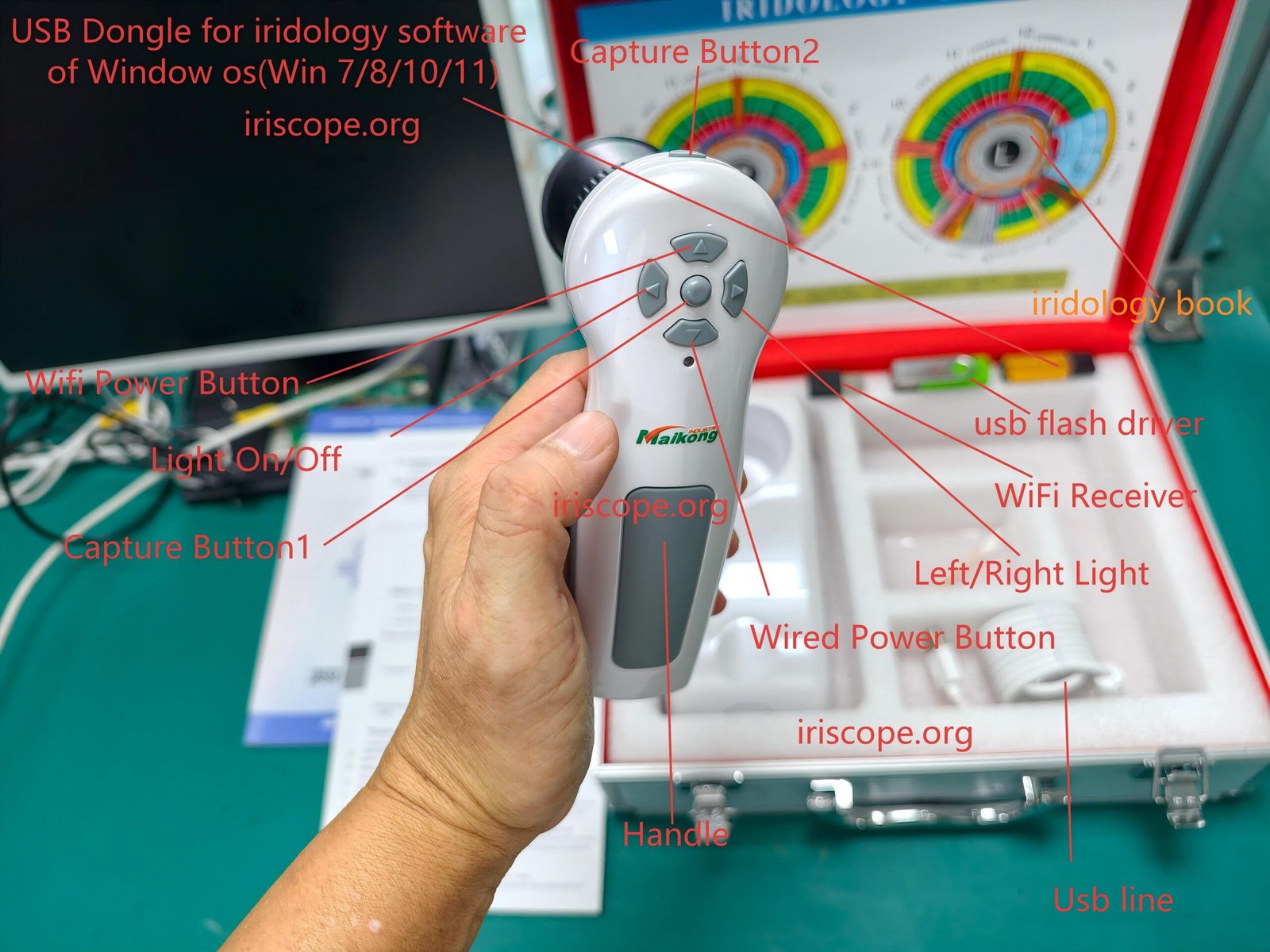
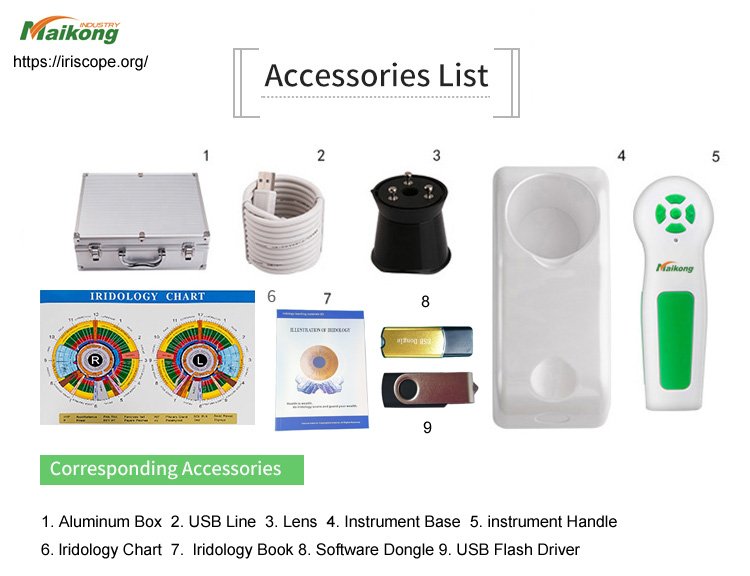
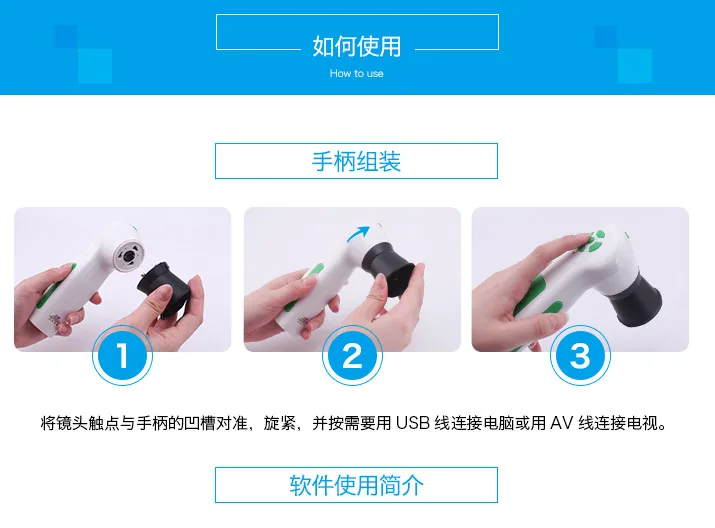
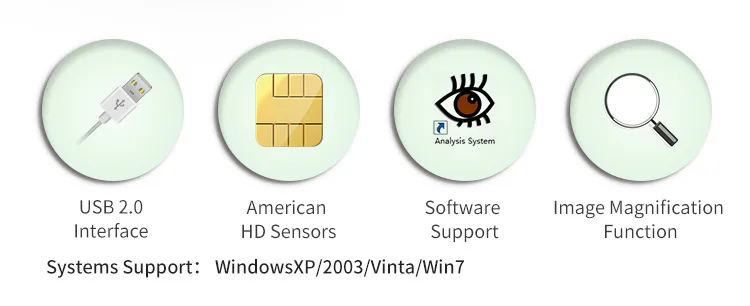
Modern iris assessments rely on specialised optical hardware designed to photograph the anterior segment of the eye comfortably. Practitioners frequently utilise an Iridology camera or portable digital handheld unit connected to a computer workstation. Devices such as the MAIKONG MK-9822U provide 12.0-megapixel image resolution, optical stabilisation, and balanced LED illumination to capture clear photographs of iris fibre arrangements.
These optical instruments function strictly as documentation tools; high camera resolution does not validate theoretical health correlations or provide clinical verification. Dedicated software platforms support client profile management, side-by-side photographic comparisons over time, and systematic overlay of standard sector charts. Factory systems produced by MAIKONG support multiple computing environments, including Windows operating systems and modern macOS platforms, offering multilingual interfaces across seventeen languages.
Optical hardware and chart overlays merely capture and display physical iris structures. Diagnostic conclusions remain unproven by photographic clarity, and equipment should never be presented as a medical evaluation device.
Electronic imaging instruments typically feature an operational lifespan of five to ten years when handled under standard clinic conditions. Factory warranty terms must be confirmed directly against the specific model documentation upon purchase. Equipment quality reflects professional commitment to clear client communication rather than clinical diagnostic capability.
Practical next steps for finding a verifiable person or place in South Africa
Locating a credible iris analysis professional involves checking regional wellness directories, local integrative health clinics, and multi-modality health centres. Centres located in urban hubs such as Johannesburg, Cape Town, Pretoria, and Durban often host complementary health professionals alongside reflexologists, nutritional advisors, and massage therapists. Before booking, verify that the facility maintains clean, dedicated spaces and transparent billing structures.
Healthcare consumers should check whether independent practitioners hold active professional indemnity insurance and maintain clear referral pathways to medical practitioners. Visiting a centre in person allows clients to review the premises, inspect intake documentation, and confirm that staff adhere to respectful, non-prescriptive communication.
Explore Verified Equipment and Professional Supply Solutions
Practitioners seeking professional imaging equipment and regional distribution opportunities in South Africa can review technical specifications and factory partnerships directly.
Frequently asked questions
What is an iridologist, and how does the practice work?
An iridologist is a complementary wellness facilitator who studies the colours and fibre structures of the iris to evaluate general constitutional tendencies. The practice uses specialised optical charts to guide lifestyle, stress management, and nutritional self-care routines. It does not identify medical diseases or physical pathogens.
Can an iridologist replace a consultation with a medical doctor?
No, an iridologist cannot replace a consultation, physical examination, or diagnostic testing conducted by a registered medical doctor. Iris evaluations do not provide medical diagnosis or therapeutic treatment plans. Clients with health concerns should always seek guidance from licensed medical professionals.
Do iris patterns change when internal health conditions alter?
Scientific clinical research indicates that the structural patterns of the adult iris remain largely stable throughout life, except for specific ocular diseases or trauma. Complementary iridologists may observe variations in surface pigmentation or photographic exposure during lifestyle programmes, but these observations are not medically verified disease markers.
What qualifications should an iridologist hold in South Africa?
A qualified practitioner should possess formal certification from a recognised complementary therapy institution or an established international iridology association. They must present transparent credential documentation and operate within non-medical health-management frameworks.
How should clients prepare for an iris assessment appointment?
Clients should bring a complete list of current lifestyle habits, general wellness goals, and any relevant questions regarding constitutional guidance. It is helpful to remove contact lenses prior to optical photography to allow clear viewing of the iris surface. Routine medical appointments and prescriptions should continue without alteration.
Does high-technology camera equipment guarantee accurate health findings?
High-resolution iris cameras and computer software provide clear photographic magnification and historical record tracking. However, advanced optical technology does not validate the underlying diagnostic claims of iridology or convert complementary observations into medical conclusions.
Summary and Responsible Health Next Steps
An iridologist offers complementary insights into personal constitution and lifestyle balance through careful examination of iris patterns and structures. Verifying training standards, insisting on informed consent, and separating educational advice from medical diagnosis protects client health and autonomy. When exploring complementary health in South Africa, prioritize open communication, verify credentials thoroughly, and always consult a registered physician for clinical medical care.
Contact US Online WHATSAPP: